
10 Best Rated Cryptocurrency Credit Cards in 2026
Cryptocurrency credit cards have developed into a much more practical rewards category in 2026, giving consumers new ways to earn Bitcoin and other digital assets from purchases they would normally make with traditional cash-back or rewards credit cards. The strongest cryptocurrency cards combine competitive rewards, straightforward earning structures, low or no annual card fees, major payment networks, digital-wallet compatibility, and integration with established cryptocurrency platforms. Some products automatically deposit Bitcoin or another cryptocurrency into a connected account, while others provide cash back or rewards points that can be transferred into an investment account and subsequently invested in cryptocurrency. Our list of the 10 Best Rated Cryptocurrency Credit Cards in 2026 focuses first on genuine revolving credit cards offering direct or closely integrated cryptocurrency rewards, followed by several crypto-linked card alternatives that may appeal to consumers who want to connect everyday spending with digital assets. Because cryptocurrency rewards can rise or fall substantially in value after they are earned, these cards are best viewed as rewards tools rather than guaranteed investment products.
Important Note About Cryptocurrency Credit Cards
The cryptocurrency card market remains considerably smaller than traditional cash-back, travel, airline, and hotel credit-card categories, and consumers should understand the differences between a traditional revolving credit card, a crypto-backed credit product, and a debit or prepaid cryptocurrency card before applying. Several of the highest-profile cryptocurrency cards available during 2026 are genuine U.S. revolving credit cards, including the Gemini Credit Card, Coinbase One Card, Crypto.com Visa Signature Credit Card, Fold Bitcoin Credit Card, Venmo Credit Card, and Robinhood Gold Card. Other products included later in this ranking are crypto-connected alternatives rather than conventional unsecured U.S. credit cards, and their availability may depend on the applicant’s country. Cryptocurrency itself can also experience extreme price volatility, so a $20 Bitcoin reward could later be worth substantially more or substantially less than $20. Consumers should therefore evaluate card fees, interest rates, reward restrictions, platform requirements, custody arrangements, and tax considerations in addition to advertised cryptocurrency reward rates.
What Are the Best Cryptocurrency Credit Cards in 2026?
The best cryptocurrency credit cards in 2026 are products that make digital-asset rewards relatively simple without sacrificing the basic qualities expected from a competitive credit card. Gemini remains one of the strongest pure cryptocurrency reward choices because its card earns crypto directly across multiple everyday categories and allows cardholders to select from numerous supported digital assets. Coinbase One has become an especially compelling Bitcoin rewards product because eligible cardholders can earn between 2% and 4% Bitcoin back depending on assets maintained on Coinbase, while Crypto.com’s newer revolving credit card brings its established crypto ecosystem into a conventional credit format. Fold is particularly appealing to Bitcoin-focused users because it combines an uncapped Bitcoin base earning rate with opportunities for higher rewards. Venmo deserves consideration for users who want a more mainstream card with the ability to automatically turn earned cash back into cryptocurrency. Robinhood Gold is another powerful alternative for investors who prefer high flat-rate cash rewards that can flow into a brokerage ecosystem containing cryptocurrency investing.
How We Rated the Best Cryptocurrency Credit Cards
We evaluated cryptocurrency credit cards according to the real economic value that an average cardholder can potentially receive rather than simply ranking the largest advertised percentage. Our methodology considered base rewards, maximum cryptocurrency rewards, reward caps, annual card fees, required memberships, crypto-platform requirements, foreign transaction fees, ease of redeeming or receiving rewards, payment-network acceptance, credit-card protections, availability, and how complicated the program is to maximize. Greater weight was given to true revolving credit cards that let U.S. consumers earn cryptocurrency directly from ordinary purchases without requiring them to liquidate existing crypto. Products with unusually high advertised rewards received lower scores when those rates require substantial account balances, paid subscription tiers, large cryptocurrency stakes, or other conditions. Crypto-linked debit and hybrid cards were included near the bottom of the ranking because they can still be useful alternatives but should not be confused with conventional unsecured credit cards.
Favorable Details
- Cryptocurrency Rewards: Several leading cards now automatically pay rewards in Bitcoin or another selected digital asset rather than requiring cardholders to redeem conventional points first.
- No Annual Card Fees: Gemini, Fold, Coinbase One, and several other leading choices do not impose a separate annual credit-card fee, although some associated memberships may cost money.
- Everyday Spending Potential: Cryptocurrency rewards can be earned from ordinary purchases including dining, groceries, gas, transportation, travel, and general shopping depending on the card.
- Major Payment Networks: Many of the leading cards operate on Visa, Mastercard, or American Express networks, providing broad merchant acceptance.
- Automatic Investing: Crypto rewards can effectively turn normal household spending into small recurring digital-asset purchases without requiring separate manual investments.
- Multiple Cryptocurrency Choices: Gemini provides significantly more reward-asset flexibility than Bitcoin-only programs.
- Investment Platform Integration: Coinbase and Robinhood cards combine payment rewards with large investing ecosystems that can appeal to consumers already using those platforms.
Unfavorable Details
- Cryptocurrency Volatility: Rewards paid in Bitcoin or another cryptocurrency can lose value after they are earned.
- High Credit Card APRs: Cryptocurrency rewards rarely compensate for the interest charged when a revolving balance is carried month to month.
- Platform Requirements: Several cards require an account, membership, crypto balance, subscription, or other relationship with the sponsoring platform.
- Reward Caps: Some of the highest advertised cryptocurrency percentages apply only to limited monthly spending.
- Complex Reward Tiers: Coinbase, Fold, Crypto.com, and similar programs may require additional balances or activity to obtain their maximum earning rates.
- Limited Product Selection: There are still considerably fewer true cryptocurrency credit cards than conventional travel or cash-back cards.
- Tax Complexity: Selling, exchanging, or otherwise disposing of cryptocurrency rewards may create tax-reporting considerations depending on individual circumstances.
1. Gemini Credit Card® – Best Overall Cryptocurrency Credit Card
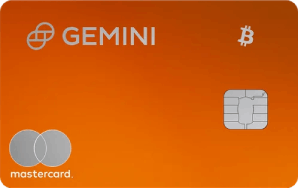
The Gemini Credit Card® earns our top overall position because it provides one of the cleanest combinations of a genuine revolving credit card and direct cryptocurrency rewards. Cardholders can earn 4% crypto back on qualifying gas, EV charging, and transit purchases on up to $300 in monthly spending before the rate falls to 1% for additional qualifying purchases in that category, 3% back on dining, 2% back on groceries, and 1% back on other eligible purchases. Instead of traditional points that must later be converted, rewards can be deposited into a Gemini account in a supported cryptocurrency selected by the cardholder, and Gemini supports Bitcoin along with dozens of other digital assets. The card has no annual fee and no foreign transaction fee and runs on the Mastercard World Elite network. This combination makes Gemini particularly attractive for consumers who want cryptocurrency rewards without maintaining a massive crypto balance or paying for a premium card membership.
Gemini Card Facts Table
| Features | Details |
| Credit Card Platform | Gemini |
| Credit Card Issuer | WebBank |
| Payment Network | Mastercard® World Elite |
| Rewards Type | Cryptocurrency Rewards |
| Recommended Credit | Good Credit to Excellent Credit Score (690-850) |
| Annual Fee | $0 |
| Gas, EV & Transit Rewards | 4% crypto back on first $300 combined qualifying spending monthly, then 1% |
| Dining Rewards | 3% crypto back |
| Grocery Rewards | 2% crypto back |
| Other Eligible Purchases | 1% crypto back |
| Foreign Transaction Fee | $0 |
| Welcome Offer | Promotional offers may vary |
| Intro Purchase APR | No standard 0% introductory APR highlighted |
| Regular APR | Variable APR based on approved account terms |
| Balance Transfer Intro APR | No standard promotional balance-transfer offer highlighted |
| Rewards Redemption | Crypto deposited into eligible Gemini account |
| Recommended Credit | Generally better suited to applicants with established credit |
| Best For | Consumers who want automatic crypto rewards from everyday spending |
Why the Gemini Credit Card Ranks First
Gemini takes first place because its reward structure does not require users to maintain hundreds of thousands of dollars in cryptocurrency, subscribe to a premium membership, or perform complicated monthly activities merely to earn respectable rewards. The 3% dining rate and 2% grocery rate are competitive even when compared with many ordinary rewards cards, while the 4% gas, EV charging, and transit category gives frequent drivers and commuters another strong earning opportunity. The ability to select Bitcoin or dozens of other supported cryptocurrencies is another major advantage because cardholders are not locked into a proprietary token. The card is therefore particularly well suited to consumers who want to gradually accumulate digital assets from normal spending while avoiding a separate annual card fee.
2. Coinbase One Card Card – Best for High Bitcoin Rewards
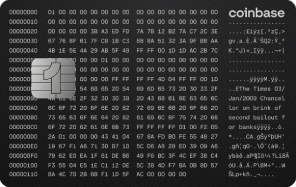
The Coinbase One Card is one of the most ambitious cryptocurrency rewards credit cards available in 2026, providing eligible cardholders with Bitcoin rewards ranging from 2% to 4% depending on the amount of assets maintained through Coinbase. Cardholders with less than $10,000 in qualifying assets receive 2% Bitcoin back, while higher asset tiers can qualify for 2.5%, 3%, or as much as 4%. The elevated 2.5%, 3%, and 4% rates generally apply to the first $10,000 of eligible purchases each calendar month, after which additional eligible purchases receive 2%. Coinbase also advertises 5% Bitcoin back on eligible travel booked through Coinbase One Card Travel. There is no separate annual card fee or foreign transaction fee, but an eligible paid Coinbase One membership must remain active, with qualifying annual membership beginning at $49.99. The card is issued by First Electronic Bank and uses the American Express network.
Coinbase One Card Facts Table
| Features | Details |
| Credit Card Platform | Coinbase |
| Credit Card Issuer | First Electronic Bank |
| Payment Network | American Express |
| Rewards Type | Bitcoin (BTC) Rewards |
| Recommended Credit | Good Credit to Excellent Credit Score (690-850) |
| Annual Fee | $0 |
| Standard Rewards | 2%–4% Bitcoin back based on qualifying Coinbase assets |
| Under $10,000 in Assets | 2% Bitcoin back |
| $10,000–$49,999.99 | 2.5% Bitcoin back |
| $50,000–$199,999.99 | 3% Bitcoin back |
| $200,000+ | 4% Bitcoin back |
| Coinbase One Card Travel | 5% Bitcoin back on qualifying portal bookings |
| Higher-Tier Spending Cap | First $10,000 in qualifying monthly purchases at 2.5%–4%; then 2% |
| Coinbase One Membership | Required |
| Basic Annual Membership | Starting at $49.99 annually |
| Foreign Transaction Fee | None |
| Intro Purchase APR | No standard 0% promotion highlighted |
| Regular Purchase APR | Variable according to approved account terms |
| Cash Advance Fee | $10 or 5%, whichever is greater |
| Late Payment Fee | Up to $41 |
| Returned Payment Fee | Up to $41 |
| Initial Approval Check | No initial credit-score impact |
| Hard Credit Inquiry | Generally after accepting the approved offer |
| Secured Version | May be offered to qualifying applicants |
| Secured Deposit | USDC security deposit |
| Card Material | Stainless steel |
| Card Weight | Approximately 17 grams |
| Best For | Coinbase users seeking Bitcoin rewards |
Why Choose the Coinbase One Card
Coinbase One is particularly compelling for consumers who already maintain significant assets at Coinbase because those holdings can increase the reward rate without requiring a different spending category every month. The basic 2% Bitcoin reward rate is competitive with many flat-rate cash-back cards, while qualified customers reaching higher asset tiers can potentially obtain substantially better returns. The primary drawback is that the advertised maximum requires at least $200,000 in qualifying Coinbase assets, making the 4% level unrealistic for many consumers. Nevertheless, someone already committed to Coinbase could receive excellent Bitcoin rewards without changing existing investment behavior.
3. Crypto.com Visa Signature® Credit Card – Best for Crypto.com Users
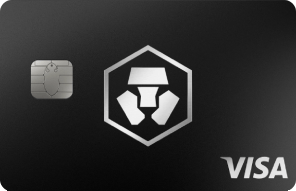
The Crypto.com Visa Signature® Credit Card has become an important 2026 addition to the cryptocurrency credit-card category because it is a true revolving credit product rather than the better-known prepaid Crypto.com card. The card allows users to earn rewards in either Bitcoin or Cronos, with earning levels determined by the user’s Level Up plan. Current program tiers can provide BTC rewards ranging from approximately 1.5% at the Basic tier to as much as 6% at the highest qualifying level, although enhanced Bitcoin rates are subject to monthly spending limits and premium Level Up plans can involve monthly fees or CRO staking commitments. Crypto.com advertises no annual credit-card fee, and the Visa Signature platform adds mainstream card benefits and protections. The program is strongest for consumers who already use Crypto.com extensively and can naturally qualify for one of the more rewarding tiers.
Crypto.com Visa Signature Card Facts Table
| Features | Details |
| Credit Card Platform | Crypto.com |
| Credit Card Issuer | Comenity Capital Bank |
| Payment Network | Visa® |
| Rewards Type | Bitcoin (BTC) Rewards / Cronos (CRO) Rewards |
| Recommended Credit | Good Credit to Excellent Credit Score (690-850) |
| Annual Credit Card Fee | $0 |
| Rewards | Approximately 1.5%–6% depending on Level Up tier |
| Reward Currency | Bitcoin (BTC) or Cronos (CRO) |
| Basic Reward Rate | Approximately 1.5% |
| Plus Reward Rate | Approximately 3.5% |
| Pro Reward Rate | Approximately 4.5% |
| Private Icy/Rose Reward Rate | Approximately 5% |
| Private Obsidian Reward Rate | Up to approximately 6% |
| Intro Purchase APR | None currently highlighted |
| Purchase APR | Variable APR based on creditworthiness |
| Foreign Transaction Fee | 3% |
| Prequalification | Soft inquiry may be available |
| Digital Wallets | Apple Pay and Google Pay |
| Rewards Platform | Crypto.com Level Up |
| Credit Approval | Required |
| Best For | Existing Crypto.com users seeking BTC or CRO rewards |
Why Choose the Crypto.com Visa Signature Credit Card
Crypto.com is best suited to consumers who want their credit card embedded deeply within an existing cryptocurrency platform. Being able to select Bitcoin instead of CRO for spending rewards makes the 2026 version considerably more flexible for users who prefer a widely established cryptocurrency rather than a platform-specific asset. However, consumers should calculate the effective value of paid subscription levels or staking requirements before choosing a premium tier because a large advertised reward percentage does not automatically make the card more profitable. For active Crypto.com customers who already meet those requirements, the card can be among the richest cryptocurrency reward products available.
4. Fold Bitcoin Credit Card™ Best for Dedicated Bitcoin Savers

The Fold Bitcoin Credit Card™ is designed specifically around accumulating Bitcoin and gives cardholders a straightforward 1.5% base Bitcoin reward on eligible purchases with no cap on the base earning rate. Users can potentially raise their effective reward rate through qualifying Bitcoin accumulation activity, and Fold has offered opportunities to earn additional rewards on the first $2,000 of monthly eligible card spending as well as an additional reward for paying the credit-card statement with Bitcoin. Fold’s published program has advertised maximum combined rates reaching approximately 4% under qualifying conditions, while newer Fold Reserve structures may offer additional tier-based earning opportunities. The card has no annual card fee, is issued by Celtic Bank, and operates on the Visa network. Purchase APRs disclosed in September 2026 range from 20.49% to 29.49% variable based on creditworthiness.
Fold Bitcoin Card Facts Table
| Features | Details |
| Credit Card Platform | Fold |
| Credit Card Issuer | Celtic Bank |
| Payment Network | Visa® |
| Rewards Type | Bitcoin (BTC) Rewards |
| Recommended Credit | Good Credit to Excellent Credit Score (690-850) |
| Annual Fee | $0 |
| Standard Base Rewards | Unlimited 1.5% Bitcoin rewards |
| Maximum Total Reward Rate | Up to 5% with qualifying Fold Reserve balance |
| $15,000+ Reserve Balance | 1.75% total rewards |
| $25,000+ Reserve Balance | 2% total rewards |
| $50,000+ Reserve Balance | 3% total rewards |
| $75,000+ Reserve Balance | 4% total rewards |
| $100,000+ Reserve Balance | 5% total rewards |
| Reserve Boost Spending Cap | First $5,000 in qualifying monthly purchases |
| Rewards Above Monthly Boost Cap | 1.5% base Bitcoin reward |
| Foreign Transaction Fee | None |
| Purchase APR | 20.49%–29.49% variable |
| Penalty APR | None |
| Minimum Interest Charge | $1 when interest applies |
| Late Payment Fee | Up to $30 |
| Returned Payment Fee | Up to $30 |
| Balance Transfers | Not offered |
| Minimum Grace Period | At least 25 days after billing-cycle close |
| Authorized Users | Not currently available |
| Business Version | Not currently available |
| Fold Account | Required |
| Best For | Bitcoin-focused consumers seeking automatic BTC rewards |
Why Choose the Fold Bitcoin Credit Card
Fold stands apart because Bitcoin accumulation is not simply an optional redemption method added onto a conventional cash-back program; Bitcoin is central to the entire card experience. The unlimited 1.5% base rate is easy to understand and can be enhanced by consumers who actively use Fold’s broader Bitcoin-saving ecosystem. Consumers who simply want the maximum uncomplicated flat reward may find other cards more attractive, but dedicated Bitcoin investors who already dollar-cost average into BTC may find Fold’s structure particularly natural.
5. Venmo Credit Card – Best Flexible Cash-Back-to-Crypto Card

The Venmo Credit Card is a mainstream Visa credit card with a useful cryptocurrency feature that allows eligible cardholders to automatically use their earned cash rewards to purchase cryptocurrency through Venmo. Reward structures now depend partly on when the card account was approved. Accounts approved before September 24, 2026 generally continue under the earlier model offering 3% on the cardholder’s highest eligible spending category, 2% on the second-highest category, and 1% on other qualifying purchases, while newer accounts use Venmo’s updated daily reward structure. The defining crypto feature is Cash Back to Crypto, which can automate cryptocurrency purchases using accumulated rewards rather than requiring cardholders to manually transfer money each month.
Venmo Card Facts Table
| Features | Details |
| Credit Card Platform | Venmo |
| Credit Card Issuer | Synchrony Bank |
| Payment Network | Visa® |
| Rewards Type | Cash Back Credit Card / Cash Back to Crypto |
| Recommended Credit | Good Credit to Excellent Credit Score (690-850) |
| Annual Fee | $0 |
| Current Rewards – New Accounts | 3% dining & entertainment; up to 4% when qualifying purchases are split and repaid; 3% qualifying Venmo purchases; 1% other eligible purchases |
| Legacy Rewards | 3% highest eligible category, 2% second-highest category, 1% other eligible purchases |
| Welcome Offer | No major standard nationwide offer prominently featured |
| Intro Purchase APR | No major standard 0% intro APR prominently featured |
| Regular APR | Variable according to account terms and creditworthiness |
| Foreign Transaction Fee | None under published card terms |
| Cash Back to Crypto | Yes |
| Virtual Card | Yes |
| Mobile Wallet Support | Yes |
| Account Management | Venmo app |
| Credit Approval | Required |
| Venmo Account Required | Yes |
| Best For | Frequent Venmo users, dining, entertainment, bill splitting, and Venmo checkout |
Why Choose the Venmo Credit Card
Venmo is ideal for users who like cryptocurrency but do not necessarily want a cryptocurrency exchange to determine their entire credit-card experience. Instead, the card operates like a conventional rewards product while giving users an automated path from cash back into supported digital assets. That makes Venmo particularly approachable for crypto beginners who want small recurring purchases funded entirely from card rewards. The disadvantage is that the card does not provide cryptocurrency directly as the original reward currency in the same manner as Gemini, Coinbase One, or Fold.
6. Robinhood Gold Credit Card – Best Crypto-Adjacent Investment Credit Card

The Robinhood Gold Credit Card is not technically a direct cryptocurrency rewards card, but it earns a high position because its investment ecosystem makes it exceptionally easy for investors to turn card rewards into investable brokerage cash. The card earns 3% cash back in the form of points on eligible purchases across categories and can provide higher rewards on qualifying travel-portal purchases. Points may be redeemed as brokerage cash into a Robinhood investing account, where the user can independently choose how to invest those funds, including through available cryptocurrency products where eligible. The card has no separate annual card fee, but an active Robinhood Gold membership is required and currently costs approximately $50 annually. The published purchase APR is 29.99% variable, making it especially important to pay balances in full.
Robinhood Gold Card Facts Table
| Features | Details |
| Credit Card Platform | Robinhood Credit, Inc. |
| Credit Card Issuer | Coastal Community Bank |
| Payment Network | Visa® |
| Rewards Type | Cash Back Reward Points |
| Recommended Credit | Good Credit to Excellent Credit Score (690-850) |
| Annual Fee | $0 |
| Standard Rewards Rate | 3% cash back on eligible purchases |
| Point Value for Brokerage Cash | $0.01 per point |
| Robinhood Gold Membership | Generally required; $50 annual subscription for most eligible applicants |
| Authorized User Fee | $0 for standard authorized users |
| Standard Card Material | Stainless steel |
| Standard Card Weight | Approximately 17 grams |
| Intro Purchase APR | No standard 0% promotional offer prominently highlighted |
| Regular APR | Variable APR according to approved account terms |
| Foreign Transaction Fee | Review current account pricing before travel |
| Rewards Redemption | Brokerage cash and other eligible redemption options |
| Brokerage Account Requirement | Required to redeem rewards as brokerage cash |
| Preapproval | Approval may be checked without initial credit-score impact |
| Best For | Robinhood users seeking 3% flat-rate rewards |
Why Choose the Robinhood Gold Card
A 3% broad earning rate makes Robinhood Gold unusually powerful even before considering cryptocurrency. Investors can redeem their rewards into their brokerage ecosystem and decide whether to retain cash, buy stocks, ETFs, or obtain cryptocurrency exposure according to the investment choices available to them. That flexibility is attractive to consumers who do not want every reward automatically converted into Bitcoin at whatever price Bitcoin happens to trade on the purchase date. The principal disadvantages are the required Gold membership and the card’s high revolving APR.
7. PayPal Cashback Mastercard® Credit Card – Best PayPal Crypto-Ecosystem Alternative

The PayPal Cashback Mastercard® Credit Card is another crypto-adjacent credit card rather than a direct cryptocurrency rewards card. It currently earns unlimited 3% cash back when eligible purchases are completed through PayPal and 1.5% cash back on other qualifying Mastercard purchases, with no annual fee. PayPal separately operates a cryptocurrency platform supporting assets including Bitcoin, Ethereum, Litecoin, Bitcoin Cash, Solana, Chainlink, and PayPal USD for eligible U.S. customers. Credit-card rewards cannot simply be treated as direct cryptocurrency rewards, and PayPal does not permit its credit card to directly fund cryptocurrency purchases, so consumers should view this card as a strong cash-back product located within a broader digital-wallet ecosystem rather than a true Bitcoin rewards card.
PayPal Cashback Mastercard Card Facts Table
| Features | Details |
| Credit Card Platform | PayPal |
| Credit Card Issuer | Synchrony Bank |
| Payment Network | Mastercard® |
| Rewards Type | Cash Back Credit Card |
| Recommended Credit | Fair Credit Score / Good Credit Score (580-739) |
| Annual Fee | $0 |
| PayPal Rewards Rate | Unlimited 3% cash back on eligible PayPal purchases |
| Other Purchase Rewards | Unlimited 1.5% cash back |
| Rewards Cap | No published overall cash-back cap |
| Rotating Categories | None |
| Intro Purchase APR | No standard 0% offer currently highlighted |
| Purchase APR | 18.49%, 30.24%, or 33.24% variable based on account type |
| Cash Advance APR | 33.24% variable |
| Penalty APR | 34.24% variable |
| Cash Advance Fee | $10 or 5%, whichever is greater |
| Foreign Transaction Fee | 3% |
| Late Payment Fee | Up to $40 |
| Returned Payment Fee | Up to $41 |
| Minimum Interest Charge | $2 |
| Paper Statement Fee | $1.99 in applicable billing cycles |
| Interest-Free Grace Period | At least 23 days after billing-cycle close when applicable |
| PayPal Account Required | Yes |
| Authorized Users | Up to 6 |
| Digital Wallet Support | Apple Pay, Google Pay, Samsung Pay |
| Identity Protection | Mastercard ID Theft Protection |
| Virtual Card Access | Often available after approval |
| Reward Redemption | Through linked PayPal account |
| Recommended Use | PayPal purchases and domestic online shopping |
| Best For | Frequent PayPal users who pay balances in full |
Why Choose the PayPal Cashback Mastercard
PayPal can make sense for cryptocurrency enthusiasts who primarily want a conventional cash-back card and already use PayPal’s financial ecosystem. Unlimited 3% cash back on qualifying PayPal checkout transactions can be valuable for heavy online shoppers, and the lack of an annual fee keeps the economics simple. However, consumers specifically looking for automatic Bitcoin rewards should choose Gemini, Coinbase One, Fold, Crypto.com, or Venmo instead because PayPal Cashback Mastercard rewards remain traditional cash back rather than direct cryptocurrency.
8. Nexo Credit Card – Best Crypto-Backed Credit Mode Alternative

The Nexo Credit Card differs fundamentally from an ordinary American unsecured credit card because it combines cryptocurrency-backed Credit Mode and Debit Mode within a single card experience. In Credit Mode, users can access liquidity backed by eligible digital assets rather than immediately selling those assets, while the platform advertises cryptocurrency cashback opportunities of up to approximately 2% for qualifying customers. Debit Mode instead lets users spend supported assets directly. This structure may appeal to experienced cryptocurrency holders who want liquidity without immediately liquidating their portfolios, but it also introduces collateral, borrowing, liquidation, jurisdiction, and platform risks that do not exist with an ordinary rewards credit card. Availability is primarily focused on eligible European Economic Area markets rather than the broad U.S. credit-card market.
Nexo Card Facts Table
| Features | Details |
| Credit Card Issuer | Nexo |
| Payment Network | Mastercard® |
| Rewards Type | Bitcoin (BTC) Rewards / NEXO Tokens |
| Product Type | Dual-Mode Crypto Card |
| Credit Structure | Crypto-Backed Credit Line |
| Debit Capability | Yes |
| Credit Mode | Yes |
| Debit Mode | Yes |
| Annual Card Fee | $0 advertised |
| Monthly Card Fee | $0 advertised |
| Inactivity Fee | $0 advertised |
| Maximum NEXO Cashback | Up to 2% |
| Maximum BTC Cashback | Up to 0.5% |
| Cashback Requirement | Qualifying Credit Mode purchases and eligible Loyalty status |
| Loyalty Portfolio Requirement | Generally above $5,000 for card cashback benefits |
| Lowest Advertised International Borrowing Rate | From 1.9% under qualifying conditions |
| Credit Check | Generally none for crypto-backed borrowing; jurisdiction exceptions apply |
| Repayment | Flexible |
| Apple Pay | Yes |
| Google Pay | Yes |
| Virtual Card | Available to eligible users |
| Physical Card | Available subject to eligibility |
| U.S. Card Availability | Currently unavailable |
| Best For | Eligible non-U.S. crypto investors seeking spending liquidity without immediately selling assets |
Why Choose the Nexo Card
Nexo is most attractive to experienced cryptocurrency investors who already hold substantial digital assets and understand collateralized borrowing. Credit Mode may allow qualifying users to spend against their portfolio instead of selling cryptocurrency to fund every purchase, potentially preserving their market exposure. That advantage comes with substantially more complexity than a normal credit card because collateral values, borrowing rates, loan-to-value ratios, and cryptocurrency volatility can materially affect the user’s financial position.
9. Bybit Credit Card – Best International Crypto Spending Alternative
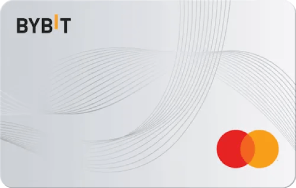
The Bybit Credit Card is another cryptocurrency payment product frequently compared with crypto credit cards even though it operates more like a crypto-linked payment or debit product than a traditional unsecured revolving U.S. credit card. It can allow eligible international users to spend supported balances through the Mastercard network while participating in Bybit’s reward program. Promotional or loyalty structures may provide enhanced cashback levels depending on the user’s program status and regional eligibility, but consumers should carefully distinguish maximum advertised promotional rewards from ordinary long-term earning rates. Bybit availability and financial services differ substantially by jurisdiction, and U.S. consumers should not assume that an internationally advertised crypto card is available to them simply because it operates through a globally recognized payment network.
Bybit Card Facts Table
| Features | Details |
| Credit Card Issuer | Bybit Fintech Limited |
| Payment Network | Mastercard® or Visa® depending on region |
| Rewards Type | Bybit Rewards Points / Cashback Credit Card |
| Recommended Credit | N/A |
| Base Cashback Rate | Approximately 2% |
| Maximum Cashback Rate | Up to approximately 10% |
| Reward Tiers | Base, Beta, Alpha, Apex, Omega, Infinite |
| Virtual Card | Yes |
| Physical Card | Available in qualifying regions |
| Physical Card Fee | Varies by region |
| Crypto Spending | Yes |
| Fiat Spending | Yes |
| Crypto Conversion Fee | Region dependent; commonly up to approximately 0.9% in several programs |
| Foreign Exchange Fee | Varies by regional card program |
| ATM Access | Available with qualifying physical cards |
| Rewards Expiration | Rewards Points currently do not expire |
| Auto Cashback | Available |
| Pay Later | Available to eligible users |
| Digital Wallets | Apple Pay, Google Pay and/or Samsung Pay depending on region |
| Credit Score Requirement | Region/product dependent |
| Standard U.S. Availability | Not a broadly available U.S. consumer card |
| Best For | Existing Bybit users who want to spend crypto and earn tiered rewards |
Why Choose the Bybit Card
Bybit is primarily worth considering for eligible international cryptocurrency users who maintain assets on the platform and want those balances connected with everyday spending. Its greatest advantages are cryptocurrency integration and potentially attractive promotional reward levels. Its biggest drawback for a U.S.-focused comparison is that availability, regulation, product structure, and consumer protections vary by country, making it considerably less straightforward than Gemini, Coinbase One, Fold, or other U.S.-issued revolving cards.
10. Coinbase Card – Best Crypto-Linked Debit Alternative

The Coinbase Card should not be confused with the Coinbase Debit Card. Coinbase One is a true revolving credit card, whereas the traditional Coinbase Card is a debit product that lets eligible users spend funds associated with their Coinbase account and may offer cryptocurrency reward choices during qualifying promotional periods. Rewards offered through the debit-card program can change and expire, with available reward selections displayed within the user’s Coinbase account. The Coinbase Card remains relevant in a broader cryptocurrency card comparison because it provides another way for Coinbase customers to connect digital assets, payment activity, and cryptocurrency rewards, but consumers specifically trying to build credit or use a revolving credit line should choose the Coinbase One Card instead.
Coinbase Debit Card Facts Table
| Features | Details |
| Credit Card Issuer | Coinbase |
| Payment Network | Visa® Debit |
| Rewards Type | Rotating Cryptocurrency Rewards |
| Recommended Credit | N/A |
| Card Technology Provider | Marqeta |
| Credit Check | None |
| APR | Not applicable |
| Interest Charges | None for ordinary card spending |
| Annual Credit Card Fee | Not applicable |
| Application Fee | $0 |
| Coinbase Card Transaction Fee | $0 |
| Crypto Conversion Cost | Coinbase spread applies |
| ATM Withdrawal Fee From Coinbase | $0 |
| Third-Party ATM Fee | May apply |
| Funding Sources | USD, USDC, supported cryptocurrencies |
| Crypto Conversion | Automatically converted to USD when necessary |
| Rewards | Variable cryptocurrency reward offers |
| Rewards Expiration | Earned rewards do not expire |
| Reward Offer Expiration | Individual offers can expire |
| Spending Limits | Vary by account |
| ATM Limits | Vary by account |
| Credit Building | No traditional revolving-credit building |
| Availability | U.S. residents except Hawaii, subject to eligibility |
| Best For | Coinbase users wanting to spend crypto or USD through Visa Debit |
Why Choose the Coinbase Card
The Coinbase Card can be useful for existing Coinbase customers who want a simple spending tool connected to their crypto ecosystem without opening another revolving credit account. It may also appeal to consumers who prefer not to undergo traditional credit underwriting. However, debit cards do not provide the same credit-building potential, grace period, or revolving credit line offered by a traditional credit card, which is why the Coinbase One Card ranks substantially higher for consumers specifically searching for cryptocurrency credit cards.
Best Cryptocurrency Credit Cards Comparison Table
| Card | Card Type | Best For | Rewards | Annual Card Fee |
|---|---|---|---|---|
| Gemini Credit Card® | Revolving Credit | Best Overall | Up to 4% direct crypto rewards in everyday categories | $0 |
| Coinbase One Card Card | Revolving Credit | High Bitcoin Rewards | 2%–4% Bitcoin back; qualifying travel up to 5% | $0, membership required |
| Crypto.com Visa Signature® Card | Revolving Credit | Crypto.com Users | BTC or CRO rewards based on tier, potentially up to 6% | $0 card fee; tier costs may apply |
| Fold Bitcoin Credit Card™ | Revolving Credit | Bitcoin Savers | 1.5% base Bitcoin back with opportunities for higher rates | $0 |
| Venmo Credit Card | Revolving Credit | Automatic Cash Back to Crypto | Cash-back structure with optional crypto auto-purchase | $0 |
| Robinhood Gold Credit Card | Revolving Credit | Investors | 3% cash back redeemable into brokerage ecosystem | $0 card fee; Gold membership required |
| PayPal Cashback Mastercard® Card | Revolving Credit | PayPal Users | 3% qualifying PayPal checkout; 1.5% elsewhere | $0 |
| Nexo Credit Card | Crypto-Backed Credit/Debit Hybrid | Crypto-Backed Spending | Up to approximately 2% crypto cashback | Terms vary |
| Bybit Credit Card | Crypto-Linked Payment/Debit Card | International Crypto Users | Rewards vary by tier and region | Terms vary |
| Coinbase Card | Debit Card | Coinbase Spending | Rotating or promotional crypto reward options | Terms vary |
Which Cryptocurrency Credit Card Gives the Highest Rewards?
The answer depends heavily on qualification requirements. Crypto.com can advertise some of the highest headline percentages for consumers participating in upper Level Up tiers, while Coinbase One offers as much as 4% Bitcoin back on eligible purchases for cardholders maintaining at least $200,000 in qualifying Coinbase assets, subject to monthly enhanced-rate limits. Gemini provides a lower maximum standard everyday percentage but requires much less wealth or platform commitment, making its rewards easier for the typical consumer to access. Fold can also reach unusually strong Bitcoin earning levels when cardholders satisfy bonus conditions. For most consumers, the highest realistic reward rate matters more than the largest advertised maximum.
Which Cryptocurrency Credit Card Is Best for Bitcoin?
Coinbase One and Fold are two of the strongest choices for consumers specifically interested in Bitcoin accumulation. Coinbase provides a simple 2% starting Bitcoin reward rate that can increase as qualifying Coinbase assets grow, whereas Fold has a 1.5% unlimited base Bitcoin rate combined with opportunities for increased earnings through qualifying Bitcoin activity. Gemini is another excellent Bitcoin option because cardholders can select Bitcoin as their chosen reward asset while still benefiting from category rates of up to 4%. The best choice depends primarily on whether the consumer already maintains significant assets with Coinbase, actively uses Fold for Bitcoin accumulation, or prefers Gemini’s more conventional category-based reward structure.
Which Cryptocurrency Credit Card Is Best for Beginners?
Gemini is arguably the easiest starting point for someone new to cryptocurrency rewards because it combines a conventional credit-card structure with automatic crypto rewards and does not require a large cryptocurrency balance to unlock its main categories. Venmo is another beginner-friendly option because users can first earn familiar cash back and then activate Cash Back to Crypto if they want rewards automatically converted. Consumers who are uncomfortable with cryptocurrency volatility may actually prefer Venmo’s approach because cryptocurrency investing remains an optional feature rather than the card’s only reward path.
Are Cryptocurrency Credit Card Rewards Taxable?
Tax treatment can depend on how rewards are earned, held, transferred, sold, exchanged, or otherwise disposed of, and cryptocurrency creates additional complexity because an asset received as a reward can later increase or decrease in value. Credit-card purchase rewards have historically often been treated differently from taxable income in many common situations, but cryptocurrency transactions may create capital gains or losses when the digital asset is later sold or exchanged. Because individual circumstances and tax regulations can vary, cardholders should maintain accurate records of cryptocurrency rewards, acquisition values, sales, exchanges, and transfers and consult a qualified tax professional regarding their personal situation.
Can Cryptocurrency Credit Card Rewards Lose Value?
Yes. Unlike conventional cash back where $25 generally remains $25 until redeemed, cryptocurrency rewards fluctuate with the market price of the digital asset. A cardholder receiving $25 worth of Bitcoin could later have rewards worth $40 if Bitcoin appreciates or $15 if Bitcoin falls. This creates both upside potential and additional risk. Consumers should therefore compare crypto reward percentages with ordinary cash-back alternatives based on the value at the time rewards are earned rather than assuming the cryptocurrency will appreciate.
Do Cryptocurrency Credit Cards Build Credit?
True revolving cryptocurrency credit cards can generally function like other consumer credit cards when their issuers report account activity to consumer reporting agencies. Responsible use, low utilization, and consistent on-time payments may contribute positively to a consumer’s credit profile, while missed payments, excessive balances, and defaults can hurt credit. Crypto-linked debit cards do not provide the same credit-building mechanism because users are spending existing funds rather than borrowing against a revolving unsecured credit line.
Should You Carry a Balance on a Cryptocurrency Credit Card?
Generally, consumers seeking cryptocurrency rewards should avoid carrying revolving balances because normal credit-card interest rates can dramatically exceed the value of the rewards earned. A card producing 2%, 3%, or even 4% cryptocurrency rewards provides little financial advantage if the cardholder then pays interest at an APR exceeding 20%. Crypto cards work best when purchases are already within the household budget and the statement balance can be paid in full by the due date. This approach preserves the value of the rewards and avoids turning speculative digital-asset earnings into expensive credit-card debt.
Are Cryptocurrency Credit Cards Safe?
Cryptocurrency credit cards issued by regulated banks and operating on established Visa, Mastercard, or American Express networks can provide many of the same transaction protections found on traditional cards, but cryptocurrency rewards themselves introduce risks that ordinary points may not have. Digital assets can experience sharp price movements, cryptocurrency platforms can have different custody arrangements, and account security becomes especially important when card rewards accumulate inside an exchange account. Consumers should use strong unique passwords, multi-factor authentication, account alerts, device security, and any withdrawal protections offered by their cryptocurrency platform.
Is Gemini or Coinbase One Better?
Gemini is likely the better choice for consumers who want multiple cryptocurrency choices and strong everyday category rewards without holding a large crypto portfolio. Coinbase One may be the better card for dedicated Coinbase users because its 2% base Bitcoin reward is competitive and can rise to 2.5%, 3%, or 4% based on qualifying assets maintained on Coinbase. A consumer with less than $10,000 on Coinbase receives the basic 2% tier, while someone with a substantial qualifying portfolio could potentially earn considerably more. Gemini’s advantage is accessibility; Coinbase One’s advantage is potentially richer Bitcoin earnings for customers already deeply invested in its ecosystem.
Is a Cryptocurrency Credit Card Better Than a Cash-Back Card?
A cryptocurrency card can be better for consumers who specifically want long-term exposure to Bitcoin or other digital assets and would otherwise use ordinary cash rewards to purchase crypto manually. Traditional cash-back cards remain better for consumers who prioritize predictable value, broad redemption flexibility, or less investment volatility. A strong strategy can also involve using a cryptocurrency card only in categories where it produces the highest return while keeping a conventional cash-back or travel card for categories where it performs better.
What Credit Score Is Needed for a Cryptocurrency Credit Card?
Credit requirements differ by issuer, and approval depends on much more than a single credit score. Issuers may evaluate credit history, existing debt, income, recent applications, payment history, utilization, and other underwriting criteria. Many premium cryptocurrency rewards credit cards are most accessible to consumers with good or excellent credit profiles, although some issuers may provide prequalification tools that let applicants initially check potential eligibility without an immediate hard inquiry. Applicants should never assume approval based solely on a published credit-score range.
What Is the Difference Between a Crypto Credit Card and Crypto Debit Card?
A cryptocurrency credit card extends a revolving line of credit through an issuing financial institution and generally requires the cardholder to repay purchases after transactions occur. A crypto debit card normally spends existing cash or cryptocurrency balances instead. Some hybrid products such as Nexo introduce a third structure by allowing users to borrow against cryptocurrency collateral. These differences matter because credit reporting, interest charges, consumer protections, taxable asset disposals, collateral risk, and eligibility requirements can differ substantially among the three types of cards.
Can You Pay a Cryptocurrency Credit Card Bill With Bitcoin?
Most traditional credit-card accounts ultimately require payment in U.S. dollars through an eligible bank account, although cryptocurrency-focused providers are experimenting with additional repayment methods. Fold is notable because its rewards system has included incentives connected with paying qualifying statements using Bitcoin held through Fold. Consumers considering cryptocurrency repayment should understand whether the cryptocurrency is converted to dollars, whether a taxable disposal may occur, what exchange rate applies, and whether transaction or network fees reduce the value of the feature.
Are There Annual Fees on Cryptocurrency Credit Cards?
Several leading cryptocurrency credit cards advertise no annual card fee, including Gemini and Fold. Coinbase One also has no separate annual credit-card fee, but maintaining an eligible Coinbase One membership is required, so the membership should be treated as part of the effective cost when comparing cards. Robinhood Gold similarly has no separate card annual fee but requires an active paid Robinhood Gold subscription. Crypto.com may charge no annual credit-card fee while offering paid or stake-based Level Up tiers that affect rewards. Consumers should therefore look beyond the words “$0 annual fee” and calculate the total cost of memberships, subscriptions, staking commitments, and platform requirements.
How to Choose the Best Cryptocurrency Credit Card
Start by deciding which digital asset you actually want to earn. Someone committed exclusively to Bitcoin may prefer Coinbase One or Fold, while someone wanting Ethereum, Solana, or numerous other supported cryptocurrencies may prefer Gemini. Next, calculate the rewards using your normal monthly spending rather than the advertised maximum rate. Consider category caps, cryptocurrency balance requirements, memberships, subscriptions, and staking requirements. Finally, compare the card’s APR, foreign transaction fee, protections, payment network, platform security, and redemption process. The best crypto card is the one that generates the greatest net value from spending you would make anyway without encouraging additional debt or unnecessary cryptocurrency exposure.
Final Verdict
The Gemini Credit Card® ranks as our Best Rated Cryptocurrency Credit Card in 2026 because it provides the most balanced combination of direct cryptocurrency rewards, multiple digital-asset choices, useful everyday categories, no annual fee, no foreign transaction fee, and a relatively straightforward earning system. Coinbase One Card ranks second and may actually provide greater value for dedicated Coinbase users who qualify for its higher Bitcoin reward tiers, while the Crypto.com Visa Signature Credit Card ranks third for consumers deeply involved in Crypto.com’s ecosystem and willing to optimize Level Up benefits. Fold Bitcoin Credit Card ranks fourth and is one of the strongest dedicated Bitcoin accumulation cards, while the Venmo Credit Card ranks fifth for consumers seeking a familiar cash-back card with automatic cryptocurrency purchasing capabilities. Robinhood Gold and PayPal offer compelling investment or crypto-adjacent alternatives, while Nexo, Bybit, and the Coinbase debit card broaden the field for consumers who want crypto-connected spending products but do not necessarily need a traditional unsecured credit card. Whichever card is selected, cryptocurrency rewards should be treated as a potentially volatile investment benefit rather than guaranteed cash value, and paying the statement balance in full remains one of the most important strategies for ensuring that credit-card interest does not eliminate the rewards being earned.