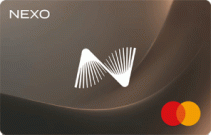

The Nexo Credit Card is a specialized cryptocurrency payment card designed for digital-asset investors who want to spend against or directly spend their crypto holdings without relying on a conventional bank-issued rewards credit card. Its defining feature is a dual-mode design that lets eligible cardholders switch between Credit Mode, which accesses liquidity through a crypto-backed Nexo Credit Line without immediately selling the underlying assets, and Debit Mode, which spends supported crypto, stablecoins, and FiatX assets directly. In qualifying markets, Credit Mode can earn up to 2% back in NEXO Tokens or up to 0.5% back in Bitcoin depending on the user’s Loyalty Tier, while Nexo advertises borrowing rates beginning as low as 1.9% for qualifying customers on its international card page. The card carries no monthly, annual, or inactivity card fee, supports Apple Pay and Google Pay, and can be used across more than 100 million merchants where accepted. However, it is substantially more complex than a standard credit card because borrowing is backed by cryptocurrency collateral, reward levels depend on Nexo holdings and portfolio size, asset prices can affect loan-to-value ratios, and availability differs substantially by jurisdiction. Most importantly for American readers, Nexo’s current U.S.-specific support content states that the Nexo Card itself is unavailable in the United States, meaning U.S. consumers should not treat it as an immediately available alternative to conventional domestic crypto credit cards.
- Two Spending Modes
- Avoid Immediate Crypto Sales
- Up to 2% in NEXO Rewards
- Bitcoin Reward Option
- No Traditional Card Annual Fee
- Not a Conventional Revolving Credit Card
- Not Currently Available in the United States
- Collateral Can Lose Value
- Borrowing Costs Can Change
- Highest Cashback Is Paid in NEXO
Favorable Details
- Two Spending Modes: The ability to move between Credit Mode and Debit Mode gives the Nexo Card considerably more flexibility than a conventional debit card or single-purpose crypto rewards card.
- Avoid Immediate Crypto Sales: Credit Mode can provide spending liquidity while allowing the underlying crypto position to remain invested rather than being sold to fund a purchase.
- Up to 2% in NEXO Rewards: Platinum users with qualifying balances can receive up to 2% back in NEXO Tokens on eligible Credit Mode purchases.
- Bitcoin Reward Option: Cardholders who do not want additional NEXO exposure can elect to receive eligible cashback in BTC, although Bitcoin percentages are lower.
- No Traditional Card Annual Fee: Nexo advertises no annual, monthly, or inactivity card fee.
- Flexible Repayment Structure: Crypto-backed credit generally does not require the same fixed monthly repayment schedule associated with conventional installment loans.
- No Traditional Credit Check for Most Crypto-Backed Borrowing: Nexo states that most qualifying crypto-backed loans do not use a conventional credit check, although jurisdiction-specific exceptions can apply.
- Digital Wallet Support: Apple Pay and Google Pay integration can make the card convenient for contactless payments.
- Worldwide Merchant Acceptance: Nexo says the card can be used at more than 100 million merchants globally where supported.
- Integrated Crypto Wealth Platform: Card spending, collateral, crypto holdings, borrowing, and rewards can be managed through the broader Nexo platform.
Unfavorable Details
- Not a Conventional Revolving Credit Card: Credit Mode is backed by the user’s digital assets rather than an unsecured credit line established primarily from creditworthiness.
- Not Currently Available in the United States: This sharply limits its relevance for U.S. readers comparing cards they can actually apply for today.
- Collateral Can Lose Value: A sharp crypto-market decline can increase the loan-to-value ratio even when the amount borrowed has not changed.
- Borrowing Costs Can Change: Interest rates depend on portfolio status, tier, LTV, and applicable regional terms.
- Highest Cashback Is Paid in NEXO: Receiving the maximum 2% requires taking rewards in the platform’s proprietary token rather than Bitcoin.
- Bitcoin Cashback Tops Out Lower: Platinum users currently receive only 0.5% back when choosing BTC rather than NEXO.
- $5,000 Portfolio Requirement for Card Cashback Benefits: Nexo states that qualifying card cashback requires a portfolio balance above $5,000.
- NEXO Token Concentration: Reaching higher Loyalty Tiers can require holding a meaningful portion of the portfolio in NEXO Tokens.
- Jurisdiction Complexity: Card availability, borrowing terms, asset support, and regulatory treatment can differ significantly from one country to another.
- Tax Complexity: Spending assets directly or selling crypto through Debit Mode may create tax consequences depending on the user’s jurisdiction and cost basis.
Nexo Card Quick Facts
| Features | Details |
| Credit Card Issuer | Nexo |
| Payment Network | Mastercard® |
| Rewards Type | Bitcoin (BTC) Rewards / NEXO Tokens |
| Product Type | Dual-Mode Crypto Card |
| Credit Structure | Crypto-Backed Credit Line |
| Debit Capability | Yes |
| Credit Mode | Yes |
| Debit Mode | Yes |
| Annual Card Fee | $0 advertised |
| Monthly Card Fee | $0 advertised |
| Inactivity Fee | $0 advertised |
| Maximum NEXO Cashback | Up to 2% |
| Maximum BTC Cashback | Up to 0.5% |
| Cashback Requirement | Qualifying Credit Mode purchases and eligible Loyalty status |
| Loyalty Portfolio Requirement | Generally above $5,000 for card cashback benefits |
| Lowest Advertised International Borrowing Rate | From 1.9% under qualifying conditions |
| Credit Check | Generally none for crypto-backed borrowing; jurisdiction exceptions apply |
| Repayment | Flexible |
| Apple Pay | Yes |
| Google Pay | Yes |
| Virtual Card | Available to eligible users |
| Physical Card | Available subject to eligibility |
| U.S. Card Availability | Currently unavailable |
| Best For | Eligible non-U.S. crypto investors seeking spending liquidity without immediately selling assets |
Nexo Card Welcome Offer
Unlike many traditional U.S. rewards credit cards, the Nexo Card does not revolve around a permanent spend-based welcome bonus such as earning $200 after spending a fixed amount within three months. Nexo instead periodically promotes platform-related onboarding incentives or temporary account-tier benefits. Its current international card page, for example, advertises a limited promotional period in which eligible new users can receive Platinum-tier treatment for 30 days, but promotional terms can change and may not be available in every jurisdiction. Consumers should therefore evaluate the Nexo Card primarily on its long-term credit, debit, crypto cashback, and platform economics rather than choosing it because of a temporary introductory promotion.
Nexo Card Rewards Rate
Nexo Card rewards are earned primarily when the card is used in Credit Mode, and the percentage depends on the user’s Loyalty Tier and selected reward currency. Nexo currently states that cardholders with more than $5,000 worth of qualifying digital assets can receive crypto cashback according to their NEXO Token allocation. Platinum users can earn 2% in NEXO Tokens or 0.5% in BTC; Gold users can earn 1% in NEXO or 0.3% in BTC; Silver users can earn 0.7% in NEXO or 0.2% in BTC; and Base users can earn 0.5% in NEXO or 0.1% in BTC. This creates a significant difference between the attractive headline “up to 2%” rate and the reward a Bitcoin-focused cardholder actually receives because earning BTC instead of NEXO dramatically lowers the percentage.
Nexo Card Crypto Cashback by Loyalty Tier
| Loyalty Tier | NEXO Token Cashback | Bitcoin Cashback |
|---|---|---|
| Platinum | 2.0% | 0.5% |
| Gold | 1.0% | 0.3% |
| Silver | 0.7% | 0.2% |
| Base | 0.5% | 0.1% |
The highest percentages above apply to qualifying Credit Mode purchases and require the applicable Nexo portfolio and Loyalty Tier conditions.
How the Nexo Card Works
The Nexo Card differs fundamentally from a traditional bank credit card because it connects directly to the user’s digital-asset holdings. In Credit Mode, qualifying crypto assets function as collateral for a Nexo Credit Line, allowing the customer to make purchases without immediately liquidating those assets. In Debit Mode, the user instead spends supported digital assets, stablecoins, or FiatX balances and Nexo handles the conversion necessary to settle the merchant transaction. Switching between the two modes can be done through the Nexo platform, allowing the user to decide whether a particular purchase should create crypto-backed debt or directly reduce available assets.
Nexo Card Credit Mode
Credit Mode is the feature that makes the Nexo Card resemble a credit product, but it should not be confused with a conventional unsecured Visa or Mastercard account issued based primarily on a FICO score. Nexo Credit Mode allows an eligible customer to borrow against qualifying cryptocurrency holdings so that the user can make purchases without selling those assets first. The available borrowing capacity depends on the collateral and its permitted loan-to-value ratio, and interest accrues on the resulting crypto-backed debt. Nexo markets the structure as a way for investors to preserve potential upside in their crypto portfolio while still obtaining spending liquidity, but doing so creates leverage and introduces collateral-management risk.
Nexo Card Debit Mode
Debit Mode provides a completely different spending approach because it uses the customer’s existing assets instead of creating a crypto-backed loan. Nexo states that users can spend supported stablecoins, cryptocurrencies, and FiatX balances such as EURx, USDx, and GBPx, with the platform converting assets as necessary to complete transactions. Users can also prioritize which eligible assets should be used first. Debit Mode can be attractive to customers who want convenient access to their digital wealth without borrowing, but directly disposing of cryptocurrency may have tax implications depending on the jurisdiction and whether the asset has appreciated or depreciated since acquisition.
Nexo Card Credit Mode vs. Debit Mode
Credit Mode and Debit Mode solve two very different financial needs. Credit Mode can preserve a crypto position by borrowing against it, potentially allowing the user to defer selling an asset they expect to appreciate, while Debit Mode simply spends assets already owned and therefore avoids creating interest-bearing debt. Credit Mode introduces borrowing costs, collateral requirements, LTV risk, and possible liquidation or repayment concerns, whereas Debit Mode can create a taxable asset disposal and reduces the user’s actual crypto holdings. The better mode therefore depends on the cardholder’s cost basis, market outlook, tax situation, borrowing rate, collateral cushion, and tolerance for leverage.
Nexo Card Bitcoin Rewards
Bitcoin is available as a cashback selection for qualifying Nexo Card Credit Mode spending, which gives cardholders an alternative to accumulating additional NEXO Tokens. The tradeoff is a much lower percentage: Platinum currently provides 0.5% in BTC compared with 2% in NEXO Tokens, Gold provides 0.3% versus 1%, Silver provides 0.2% versus 0.7%, and Base provides 0.1% versus 0.5%. For consumers whose primary goal is accumulating Bitcoin, those rates are relatively modest compared with crypto cards specifically designed around BTC rewards, so users should not automatically choose Nexo merely because Bitcoin is available as a reward option.
NEXO Token Rewards
NEXO Token rewards represent the highest-paying cashback option for eligible Nexo Card customers. Platinum can earn as much as 2% back in NEXO Tokens on eligible Credit Mode purchases, while Gold earns 1%, Silver 0.7%, and Base 0.5%. This structure strongly incentivizes deeper participation in the Nexo ecosystem because the highest reward rate both requires a higher Loyalty Tier and pays the reward in Nexo’s own token. Consumers should therefore evaluate the value of the 2% rate alongside the market risk of holding NEXO rather than assuming it is economically equivalent to receiving 2% cash back in U.S. dollars.
Nexo Loyalty Program
The Nexo Loyalty structure determines important elements of the card’s economics, including crypto cashback and broader platform benefits. Under the card program described on Nexo’s international website, users with a qualifying portfolio balance above $5,000 fall into different Loyalty Tiers depending partly on the ratio of NEXO Tokens held relative to the remainder of the portfolio. Maintaining a higher tier can increase card cashback and improve other Nexo economics, but doing so can also require the user to maintain intentional exposure to NEXO Tokens. The Loyalty Program therefore acts simultaneously as a rewards accelerator and a portfolio-allocation requirement that should be evaluated independently of the card itself.
Nexo Card Interest Rates
The cost of using Credit Mode is not represented by a conventional credit-card purchase APR because borrowing occurs through a crypto-backed Nexo Credit Line. Nexo’s international Card page currently advertises borrowing rates starting from 1.9% under qualifying conditions, but actual rates depend on the customer’s market, tier, loan-to-value ratio, and applicable credit-line terms. Nexo’s U.S. credit-line documentation separately shows that borrowing rates can range materially higher depending on Wealth Tier and collateral conditions, illustrating why consumers should not assume the lowest advertised rate will apply to their account. The rate displayed in the Nexo platform before borrowing is therefore considerably more important than any headline “from” rate.
Nexo Loan-to-Value Ratio
Loan-to-value, commonly abbreviated as LTV, is one of the most important concepts for understanding the Nexo Card because it determines how much can be borrowed against an asset and how safely the loan is collateralized. If an asset has a permitted 50% LTV, for example, $10,000 of that asset could theoretically provide up to $5,000 of borrowing capacity. Nexo dynamically determines permitted LTVs based on factors including the volatility and liquidity of supported assets. Because crypto prices can fall rapidly, a loan that begins with a conservative LTV can become much more highly leveraged without the borrower spending another dollar, which is why maintaining a meaningful collateral cushion is critical.
Nexo Card Collateral Risk
Collateral risk is arguably the most important disadvantage of Credit Mode. If the cryptocurrency supporting a Nexo Credit Line declines substantially in market value, the relationship between the outstanding loan and collateral worsens. Nexo may require additional collateral or repayment depending on applicable conditions, and automatic collateral-management features can transfer eligible assets when enabled. This creates a fundamentally different risk profile from a conventional unsecured credit card: a normal cardholder might face interest and credit-score damage for failing to repay, whereas a crypto-backed borrower also has to manage the market value of the assets securing the borrowing.
Nexo Card Repayment
Nexo’s crypto-backed credit structure generally provides flexible repayment rather than requiring the exact type of fixed monthly amortization schedule associated with installment loans. Nexo explains that borrowers can make partial or full repayments according to their preferences, although interest continues to accrue according to the applicable loan terms. The absence of a rigid payment schedule can be convenient for sophisticated crypto investors managing cash flow, but flexibility should not be mistaken for free borrowing because compound interest and changing asset values can increase the economic cost of keeping debt outstanding.
Does the Nexo Card Require a Credit Check?
For most Nexo crypto-backed borrowing, Nexo states that it does not perform a conventional credit check because the loan is secured by digital assets rather than primarily by the borrower’s creditworthiness. Nexo also says that its loan data generally is not reported to consumer credit agencies, although jurisdiction-specific rules can differ; for example, Nexo states that California residents can be subject to a soft credit inquiry for loan withdrawal requests. This is materially different from applying for a traditional unsecured rewards credit card, where the issuer normally reviews a consumer credit report and may generate a hard inquiry.
Nexo Card Annual Fee
Nexo currently promotes the card with no monthly, annual, or inactivity card fees, eliminating the conventional yearly membership charge associated with many premium rewards cards. That does not make Credit Mode free, however, because crypto-backed borrowing can generate interest and other platform economics may affect the user’s total cost. Consumers should therefore distinguish between the absence of a card membership fee and the cost of using borrowed funds.
Nexo Card ATM Withdrawals
Nexo advertises a monthly allowance of fee-free ATM withdrawals for qualifying cardholders, with the current international card page citing up to €2,000 or £1,800 per month depending on the applicable market and account status. Allowances and third-party ATM fees can vary, and ATM operators may separately impose their own charges. Consumers should check the limits displayed in their Nexo account before relying on the card as a primary cash-withdrawal product while traveling.
Nexo Card Foreign Transactions
Nexo positions the card as an internationally usable crypto payment product and states that it can be used at more than 100 million merchants globally, but foreign exchange conditions, exchange-rate spreads, jurisdictional restrictions, and card limits should still be reviewed before international travel. Because the card’s underlying structure varies by region, consumers should not automatically apply one country’s fee schedule to another. Its international orientation can nonetheless make the Nexo Card more naturally suited to cross-border crypto users than many domestic-only credit products.
Nexo Card Apple Pay and Google Pay
Eligible Nexo Card users can add the card to Apple Pay and Google Pay, allowing contactless smartphone and smartwatch payments at compatible merchants. Digital-wallet support also makes the virtual card more useful because users may be able to begin spending without waiting for a physical card to arrive. Nexo’s integration of card controls, spending activity, borrowing, and crypto account management within its platform further reinforces the product’s mobile-first design.
Nexo Virtual Card
Nexo offers a virtual card to eligible users and states that activation can begin once applicable account requirements are satisfied. Nexo’s current card information indicates that a virtual card may become available with an account balance of at least $50 under relevant market conditions, making digital access easier than qualifying for certain physical-card benefits. Exact eligibility depends on jurisdiction, account verification, and current Nexo rules.
Nexo Physical Card
The physical Nexo Card is subject to higher eligibility requirements than basic virtual-card access in markets where the card is offered. Nexo currently states that free physical-card shipping can be available when the user maintains more than $5,000 worth of qualifying digital assets and at least Gold Loyalty status. These thresholds demonstrate that the physical product is geared more toward established Nexo customers than consumers simply looking for an ordinary no-annual-fee credit card.
Nexo Card Security
Nexo highlights security measures including digital-asset custody infrastructure, instant card freezing, spending controls, and biometric account protection. Account recovery also incorporates identity checks and can trigger a 48-hour security restriction during which withdrawals and card transactions are temporarily paused after account recovery. These controls can reduce unauthorized access risk, although cryptocurrency platforms carry different operational and custody considerations than traditional FDIC-insured bank deposit accounts.
Nexo Card Availability in the United States
The Nexo Card is currently not available to U.S. residents, according to Nexo’s U.S.-specific Nexo Card support page, which displays a notice stating that the product is unavailable in the region. This distinction is particularly important because Nexo itself offers certain other products and services in the United States, which can make it appear that every product on the platform is domestically available. American consumers researching the Nexo Card should therefore treat it as an international crypto-card product unless Nexo officially announces expanded U.S. availability in the future.
Nexo Card Eligibility
Eligibility depends on residence, supported jurisdiction, identity verification, Nexo account status, asset balance, and the specific card version being requested. A qualifying digital-asset balance can be necessary for card functionality, while premium features and physical-card access may require substantially greater holdings and a particular Loyalty Tier. Because product availability changes by jurisdiction, users should verify eligibility directly through their Nexo account rather than assuming access solely because the broader Nexo platform operates in their country.
What Credit Score Is Needed for the Nexo Card?
The Nexo Card does not use a conventional minimum FICO-score model in the same way as a traditional unsecured rewards credit card because Credit Mode relies primarily on cryptocurrency collateral. Consequently, there is no standard advertised requirement such as “good credit of 670 or higher” that accurately describes Nexo Card eligibility. Crypto-backed borrowing generally depends more heavily on the value and composition of the customer’s eligible digital assets, while jurisdiction-specific checks and identity requirements can still apply.
Is the Nexo Card a Credit Card or Debit Card?
The Nexo Card is best described as a dual-mode cryptocurrency payment card rather than fitting neatly into the traditional credit-card or debit-card category. In Debit Mode, it behaves broadly like a crypto-funded debit product because purchases are funded from assets the user already owns. In Credit Mode, purchases access a crypto-backed Credit Line, allowing the user to borrow against collateral instead of selling it. This combination is one of the card’s biggest differentiators but also explains why comparing Nexo’s “credit” functionality directly with an unsecured Chase, Capital One, Gemini, or Crypto.com credit card can be misleading.
Nexo Credit Card vs. Crypto.com Visa Signature® Credit Card
The Nexo Card vs. Crypto.com Visa Signature® Credit Card comparison highlights two fundamentally different approaches to crypto-powered spending. Crypto.com’s Visa Signature product is a conventional revolving credit card issued through a bank relationship and can earn BTC or CRO according to the user’s Level Up tier, whereas Nexo Credit Mode accesses a loan secured by the user’s digital assets. Crypto.com can deliver substantially higher headline rewards at premium tiers, while Nexo’s international program tops out at 2% in NEXO Tokens or 0.5% in BTC. Nexo’s advantage is the ability to access liquidity without immediately selling crypto and to switch into Debit Mode when borrowing is unnecessary. Crypto.com’s advantage is a more traditional credit-card structure and, importantly for American readers, domestic availability where eligible. Crypto.com is generally the better fit for U.S. users seeking a true crypto rewards credit card, while Nexo is more suitable for eligible international investors specifically wanting collateral-backed spending flexibility.
Nexo Credit Card vs. Gemini Credit Credit Card®
The Nexo Card vs. Gemini Credit Card® comparison strongly favors Gemini for U.S. consumers who simply want cryptocurrency rewards from everyday credit-card spending. Gemini operates like a conventional unsecured credit card and awards crypto rewards without requiring users to pledge cryptocurrency as collateral for each purchase. Nexo instead appeals to an entirely different type of customer: an investor who already owns substantial digital assets and wants to borrow against or spend them through a single card. Nexo offers more sophisticated crypto-wealth functionality, while Gemini delivers a more familiar rewards experience. Gemini is generally better for consumers who want a straightforward crypto rewards credit card, while Nexo is better suited to eligible sophisticated investors using crypto as collateral.
Nexo Credit Card vs. Coinbase One Credit Card
The Nexo Card vs. Coinbase One Card comparison again comes down to rewards credit versus collateral-backed liquidity. Coinbase One is designed around earning Bitcoin rewards through qualifying credit-card purchases and ties enhanced earning rates to the customer’s Coinbase relationship, whereas Nexo’s primary innovation is accessing spending power against existing digital assets. Nexo can be more useful for someone who wants to avoid selling a large BTC or ETH position, while Coinbase One can be more attractive for a consumer primarily interested in accumulating additional Bitcoin from ordinary card spending. For U.S. applicants, availability also materially favors Coinbase One because the Nexo Card itself is currently unavailable domestically.
Nexo Credit Card vs. Fold Bitcoin Credit Card™
The Nexo Card vs. Fold Bitcoin Credit Card™ comparison is particularly relevant to dedicated Bitcoin holders. Fold focuses heavily on accumulating BTC from conventional credit-card spending, while Nexo permits eligible cardholders to earn BTC but only at considerably lower rates than its NEXO-token reward percentages. Nexo’s differentiating feature is therefore not Bitcoin cashback but the ability to use Bitcoin or other supported assets as collateral while retaining market exposure. Fold is generally more attractive for consumers whose primary objective is earning additional Bitcoin, while Nexo is more compelling for investors whose priority is unlocking liquidity from existing crypto holdings without selling them.
Nexo Credit Card vs. Venmo Credit Card
The Nexo Card vs. Venmo Credit Card comparison illustrates the gap between a mainstream consumer rewards card and a sophisticated cryptocurrency wealth product. Venmo provides a familiar revolving credit-card structure and can connect cash rewards with cryptocurrency purchasing features, while Nexo Credit Mode involves borrowing against digital assets and managing collateral. Venmo requires much less knowledge of crypto lending mechanics and is better suited to beginners, whereas Nexo offers functionality that conventional cards cannot replicate. Venmo is generally better for consumers who want simple everyday rewards with optional crypto exposure, while Nexo is better for experienced crypto investors who understand collateralized borrowing.
Nexo Credit Card vs. Robinhood Gold Credit Card
The Nexo Card vs. Robinhood Gold Card comparison pits crypto-backed liquidity against broad investment-focused rewards. Robinhood Gold is structured more like a conventional consumer credit card and can generate attractive rewards that integrate with Robinhood’s broader investing ecosystem, while Nexo’s Credit Mode allows customers to obtain liquidity against their existing crypto positions. Robinhood can therefore be better for someone building a diversified portfolio using ordinary credit-card rewards, while Nexo may appeal to an established crypto investor with significant assets who does not want to sell. U.S. availability again tilts the practical comparison toward Robinhood because the Nexo Card is not presently available domestically.
Nexo Credit Card vs. PayPal Cashback Mastercard® Credit Card
The Nexo Card vs. PayPal Cashback Mastercard® comparison involves very different priorities. PayPal Cashback Mastercard provides predictable cash rewards through a traditional credit-card framework, whereas Nexo provides digital-asset spending and crypto-backed borrowing. PayPal is significantly easier to understand, does not require cryptocurrency collateral, and rewards spending in dollar-denominated cash back. Nexo offers much greater integration with crypto wealth but introduces token exposure, interest costs, and collateral management. PayPal is better for consumers seeking straightforward everyday cash back, while Nexo is intended for crypto investors who place greater value on asset-backed liquidity than traditional rewards.
Nexo Credit Card vs. Bybit Credit Card
The Nexo Card vs. Bybit Card comparison is more direct because both products are closely integrated with cryptocurrency platforms and serve eligible international crypto users. Bybit’s card focuses largely on connecting exchange balances and crypto assets with real-world payments, whereas Nexo adds the particularly distinctive ability to use Credit Mode and borrow against supported assets. Consumers who want simple crypto-funded spending may prefer a straightforward debit-style structure, while Nexo can be more powerful for investors who want to retain their holdings while borrowing against them. Availability, local regulations, supported assets, reward programs, and fees should ultimately determine which is more practical in a specific jurisdiction.
Nexo Credit Card vs. Coinbase Debit Card
The Nexo Card vs. Coinbase Card comparison highlights Nexo’s flexibility. Coinbase Card operates primarily as a debit product connected to assets held within Coinbase, while Nexo allows eligible users to choose either Debit Mode or crypto-backed Credit Mode. Someone who simply wants to spend an existing Coinbase balance may find Coinbase Card more straightforward, while someone who specifically wants to preserve a crypto holding and borrow against it may prefer Nexo’s structure. Nexo provides the more sophisticated borrowing functionality, whereas Coinbase Card offers a simpler crypto-linked debit experience.
Nexo Credit Card vs. Traditional Credit Cards
Compared with a traditional bank-issued credit card, the Nexo Card sacrifices simplicity in exchange for crypto-specific financial flexibility. A normal credit card provides an unsecured or occasionally secured credit line based largely on underwriting factors such as credit history and income, establishes a purchase APR, requires minimum monthly payments, and can affect the consumer’s credit report. Nexo instead bases Credit Mode primarily on digital-asset collateral and manages borrowing through a crypto Credit Line. Traditional cards are generally easier to understand and may offer stronger consumer familiarity, 0% introductory APR periods, travel insurance, or cash rewards, while Nexo provides functionality specifically designed for investors whose wealth is held in cryptocurrency.
Who Should Get the Nexo Card?
The Nexo Card is best suited to eligible consumers outside restricted jurisdictions who already maintain meaningful cryptocurrency holdings, understand collateralized borrowing, actively use the Nexo ecosystem, and want the ability to access liquidity without automatically selling their assets. It can be particularly useful for investors who maintain conservative loan-to-value ratios and view the card as one component of a broader digital-asset wealth strategy rather than merely as a way to earn cashback. The product is considerably less appropriate for someone new to cryptocurrency or someone whose finances cannot comfortably absorb a substantial decline in collateral value.
Who Should Avoid the Nexo Credit Card?
Consumers who want a simple rewards credit card, predictable cash back, an unsecured line of credit, a traditional monthly billing experience, or easy-to-understand APR terms should generally look elsewhere. The Nexo Card should also be approached cautiously by anyone who does not fully understand leverage and collateral liquidation risk because using Credit Mode effectively borrows against volatile assets. U.S. consumers currently have an additional reason to avoid planning around the product: Nexo’s own U.S.-specific support content states that the card is unavailable in the region.
Is the Nexo Credit Card Good for Travel?
For eligible cardholders, the Nexo Card can be useful for travel because Nexo promotes worldwide acceptance at more than 100 million merchants, digital-wallet compatibility, and qualifying fee-free ATM allowances. Its dual-mode functionality can also provide liquidity without forcing an investor to sell crypto during travel. However, travelers should check applicable foreign-exchange charges, ATM limits, supported countries, local regulations, and account conditions before depending on the card abroad. Most importantly, U.S. residents cannot currently obtain the Nexo Card through the standard domestic offering.
Is the Nexo Credit Card Worth It?
The Nexo Card can be highly useful for the right customer but should not be judged only by its advertised up to 2% crypto cashback. Its real value comes from combining Debit Mode with crypto-backed Credit Mode, allowing eligible investors to choose between directly spending assets and borrowing against them. That flexibility can be valuable to someone with a large Nexo portfolio, particularly if selling crypto would conflict with an investment strategy. On the other hand, collateral volatility, borrowing costs, NEXO Token requirements, relatively low Bitcoin cashback rates, and limited geographic availability significantly narrow the audience. For an experienced eligible crypto investor, Nexo can offer functionality traditional credit cards simply cannot provide; for the average consumer, a conventional crypto rewards card will usually be easier to understand and manage.
Nexo Credit Card Frequently Asked Questions
The Nexo Card creates more questions than a conventional rewards card because its “credit” feature is based on cryptocurrency collateral rather than ordinary unsecured revolving credit. Prospective users should understand the difference between Credit Mode and Debit Mode, how crypto cashback works, what happens when collateral values change, which jurisdictions support the card, and whether the economic benefit of keeping crypto invested outweighs the cost and risk associated with borrowing against it.
Does the Nexo Credit Card Have an Annual Fee?
Nexo currently advertises no monthly, annual, or inactivity fee for the Nexo Card in supported markets. Credit Mode can still generate borrowing costs, so the absence of a card fee should not be interpreted as meaning every Nexo Card transaction is cost-free.
How Much Crypto Cashback Does the Nexo Credit Card Earn?
Eligible Credit Mode spending can currently earn from 0.5% to 2% in NEXO Tokens or approximately 0.1% to 0.5% in Bitcoin, depending on the user’s Loyalty Tier. Platinum provides the maximum 2% NEXO or 0.5% BTC rate.
Can the Nexo Credit Card Earn Bitcoin?
Yes. Qualifying Credit Mode purchases can earn Bitcoin cashback, although BTC percentages are significantly lower than the equivalent NEXO Token rates. Platinum currently earns 0.5% BTC, Gold 0.3%, Silver 0.2%, and Base 0.1%.
Does the Nexo Credit Card Require NEXO Tokens?
Users can interact with parts of the Nexo ecosystem without making every asset NEXO, but the NEXO Token plays an important role in determining Loyalty status and access to enhanced benefits. Receiving the highest card cashback and other favorable program economics can require maintaining a qualifying NEXO allocation relative to the broader portfolio.
Does the Nexo Credit Card Require Crypto Collateral?
Credit Mode does. Spending through Credit Mode uses a crypto-backed Credit Line and therefore depends on eligible digital assets serving as collateral. Debit Mode instead spends assets already available in the Nexo account and does not create the same borrowing relationship.
Does the Nexo Credit Card Affect Your Credit Score?
Nexo states that most crypto-backed loans do not involve a traditional credit check and generally are not reported to consumer credit agencies, although jurisdiction-specific exceptions exist. California residents, for example, may undergo a soft inquiry for loan withdrawal requests, which Nexo says does not affect the credit score.
Can You Use the Nexo Credit Card With Apple Pay and Google Pay?
Yes, Nexo currently advertises support for both Apple Pay and Google Pay in eligible markets, giving cardholders a convenient contactless alternative to carrying the physical card.
Is the Nexo Card Available in the United States?
No, the Nexo Card is currently unavailable to U.S. residents according to Nexo’s U.S.-specific card support pages. Nexo offers certain other services in the United States, but consumers should not interpret broader Nexo account availability as proof that the card itself is available.
Is the Nexo Card a Mastercard?
The Nexo Card operates through the Mastercard payment infrastructure in supported card markets, providing broad merchant acceptance where Mastercard is accepted. Card issuance arrangements and exact product terms can vary by jurisdiction, so users should confirm the issuer and applicable cardholder terms presented during their own enrollment.
Does Nexo Card Credit Mode Have a Fixed APR?
No single traditional credit-card APR accurately describes Credit Mode because the borrowing rate depends on the applicable Nexo Credit Line conditions, including jurisdiction, tier, portfolio composition, and loan-to-value ratio. Nexo’s international card page advertises qualifying credit from 1.9%, while other Nexo credit products and regional structures can carry meaningfully higher rates.
Can the Nexo Card Help Build Credit?
Consumers should not obtain the Nexo Card specifically to build a traditional U.S. consumer credit history. Nexo states that most of its crypto-backed loans are not reported to consumer credit agencies, and the card is not presently available to U.S. residents anyway. Someone whose primary goal is establishing or improving a conventional credit profile should consider a traditional credit-builder or secured credit card instead.
What Happens if Crypto Used as Collateral Falls in Value?
When collateral declines, the loan-to-value ratio increases because the outstanding debt represents a larger percentage of the remaining collateral value. Depending on applicable terms and settings, Nexo may require additional collateral, repayment, or collateral-management actions. This is why a borrower should avoid treating the maximum available credit line as equivalent to a safe spending limit and should instead maintain a substantial margin for crypto volatility.
Is Nexo Card Cashback Guaranteed in Value?
No. Both NEXO Tokens and Bitcoin fluctuate in market value, so a reward worth a particular fiat amount when issued can later be worth significantly more or less. The headline percentage determines the initial reward calculation, not its future value.
Final Verdict
The Nexo Credit Card is one of the more innovative crypto payment products because it combines Credit Mode and Debit Mode in a single card, allowing eligible digital-asset investors to choose between borrowing against their cryptocurrency or spending supported assets directly. Credit Mode can provide liquidity without immediately selling BTC, ETH, or other eligible collateral, while qualifying purchases can earn up to 2% back in NEXO Tokens or up to 0.5% in Bitcoin depending on Loyalty Tier. The card also benefits from no advertised monthly, annual, or inactivity card fee, Apple Pay and Google Pay compatibility, broad merchant acceptance, and tight integration with Nexo’s digital-asset wealth platform. Its disadvantages are equally important: Credit Mode creates crypto-backed debt, collateral values can decline quickly, the best borrowing and reward economics depend on portfolio status and NEXO Token exposure, Bitcoin cashback is considerably lower than the 2% headline NEXO rate, and regulatory availability varies substantially by jurisdiction. Most importantly for CreditedBank’s U.S. audience, Nexo’s current U.S.-specific documentation states that the Nexo Card is not presently available in the United States, so American consumers should view it primarily as an international comparison product rather than an immediately obtainable domestic crypto credit card. For eligible international crypto investors who already use Nexo and understand LTV management, the Nexo Card can be an unusually flexible method of unlocking spending power without immediately liquidating a portfolio. For ordinary consumers seeking straightforward cryptocurrency rewards, a conventional product such as Crypto.com, Gemini, Coinbase One, or Fold will generally provide a simpler credit-card experience without requiring digital assets to serve as collateral.