Credit Cards Explained: A Complete Guide to Choosing the Right Card
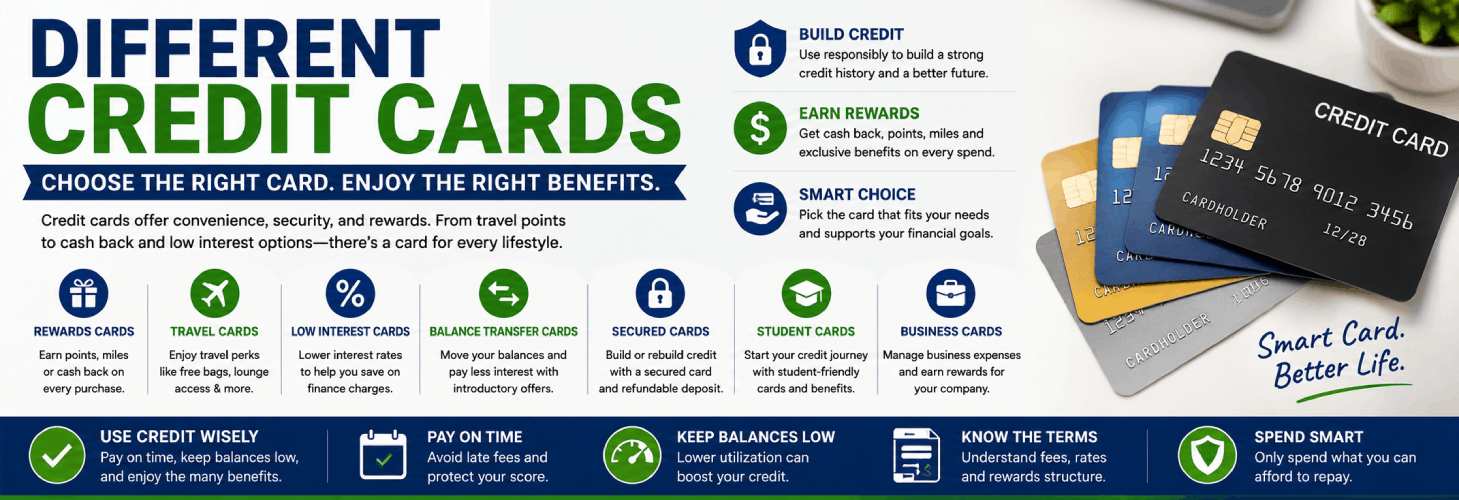
Credit cards are one of the most widely used financial tools in the world. They provide convenience, security, and purchasing flexibility while helping consumers manage expenses and build credit history. However, not all credit cards are the same. Different cards are designed for different financial goals, spending habits, and lifestyles. Some credit cards focus on earning rewards, while others help people build credit, reduce interest costs, save money, or receive travel benefits. Understanding the different types of credit cards can help you choose the right option and use credit responsibly. This guide explains the major types of credit cards, their benefits, potential drawbacks, and how to select the best card for your financial needs.
What Is a Credit Card?
A credit card is a revolving line of credit provided by a financial institution. Unlike a debit card, which uses money directly from your bank account, a credit card allows you to borrow money up to a specific credit limit. When you use a credit card, you are borrowing funds that must be repaid later.
Credit cards typically include:
- A credit limit
- Monthly billing cycle
- Minimum payment requirement
- Interest rate
- Fees
- Rewards or benefits (depending on the card)
If you pay the full balance by the due date, you may avoid interest charges. If you carry a balance, interest is usually added to the amount owed. Credit cards can be useful for building credit and managing purchases, but they require responsible use.
Rewards Credit Cards
Rewards credit cards are designed for consumers who want to earn benefits from everyday spending.
These cards provide rewards such as:
- Cash back
- Points
- Travel miles
- Gift cards
- Merchandise
The more you spend, the more rewards you may earn. Rewards cards are popular because they allow cardholders to receive value from purchases they already make.
Cash Back Credit Cards
Cash back credit cards return a percentage of purchases back to the cardholder.
For example, a card may offer:
- 1% cash back on all purchases
- Higher rewards in certain categories
- Bonus cash back promotions
Common bonus categories include:
- Groceries
- Gas stations
- Restaurants
- Online purchases
- Travel
Cash back cards are often simple because rewards can usually be redeemed as statement credits, deposits, or checks.
Benefits of Cash Back Cards
- Easy-to-understand rewards
- Flexible redemption options
- Useful for everyday spending
Potential Drawbacks
- May have spending requirements
- Some have annual fees
- Carrying a balance can erase reward value
Travel Credit Cards
Travel credit cards are designed for people who frequently travel.
These cards may offer rewards such as:
- Airline miles
- Hotel points
- Travel credits
- Airport lounge access
- Travel insurance
Some travel cards are connected to specific airlines or hotel programs, while others offer flexible points that can be used with multiple travel partners.
Benefits of Travel Cards
Travel cards may provide:
- Free checked bags
- Hotel upgrades
- No foreign transaction fees
- Bonus points for travel purchases
For frequent travelers, these benefits can create significant savings.
Considerations
Many premium travel cards have annual fees. To make the card worthwhile, users should ensure they receive enough value from the benefits.
Low Interest Credit Cards
Low-interest credit cards are designed for consumers who may carry a balance from month to month. These cards typically offer lower annual percentage rates (APRs) compared with standard credit cards. They can help reduce the cost of borrowing when paying off larger purchases over time.
Benefits include:
- Lower interest charges
- Easier debt management
- Potential savings
However, paying the full balance each month is usually the best way to avoid interest costs.
Balance Transfer Credit Cards
Balance transfer credit cards allow consumers to move existing credit card debt from one card to another.
The purpose is often to take advantage of:
- Lower interest rates
- Promotional APR periods
- Easier repayment
For example, a card may offer a temporary 0% introductory APR on transferred balances. This can help borrowers pay down debt faster because more of each payment goes toward reducing the balance instead of interest.
Things to Watch For
Balance transfer cards may include:
- Transfer fees
- Limited promotional periods
- Higher rates after the promotion ends
A repayment plan is important to avoid returning to high-interest debt.
Secured Credit Cards
Secured credit cards are designed for people who are building or rebuilding credit. These cards require a refundable security deposit that usually becomes the credit limit.
Example:
- Deposit: $500
- Credit limit: $500
The card works similarly to a traditional credit card. The main goal is to demonstrate responsible credit behavior.
Benefits include:
- Easier approval
- Credit-building opportunity
- Reporting to credit bureaus
Using a secured card responsibly can help improve credit history over time.
Student Credit Cards
Student credit cards are designed for college students who are beginning their credit journey.
They often have:
- Lower credit limits
- Simpler approval requirements
- Student-focused rewards
These cards help young adults learn:
- Budgeting
- Payment management
- Credit responsibility
Students should avoid treating credit as free money and focus on paying balances on time.
Business Credit Cards
Business credit cards are designed for companies and entrepreneurs. They help businesses separate personal and company expenses.
Business cards may offer rewards for:
- Office supplies
- Advertising
- Travel
- Business services
- Inventory purchases
Additional features may include:
- Employee cards
- Expense tracking
- Business reporting tools
Business credit cards can help companies manage cash flow and organize spending.
Store Credit Cards
Store credit cards are offered by retailers and are often designed to encourage customer loyalty.
Examples include cards for:
- Clothing stores
- Electronics retailers
- Department stores
Benefits may include:
- Store discounts
- Special promotions
- Reward points
However, store cards may have higher interest rates and limited use compared with general credit cards.
Premium Credit Cards
Premium credit cards are designed for consumers seeking luxury benefits and exclusive features.
They may include:
- Airport lounge access
- Concierge services
- Travel protections
- Premium rewards
- Exclusive offers
These cards often require:
- Strong credit
- Higher income
- Annual fees
They can be valuable for frequent travelers and high spenders but may not make sense for everyone.
Credit Builder Cards
Credit builder cards are designed specifically for improving credit history.
They focus less on rewards and more on helping users establish positive payment habits.
They may help users:
- Build payment history
- Increase credit confidence
- Establish financial discipline
The key factor is making payments consistently and keeping balances low.
How to Choose the Right Credit Card
The best credit card depends on your financial situation and goals. Before applying, consider:
Your Spending Habits
Think about where you spend the most money.
Examples:
- Frequent travelers may prefer travel rewards
- Families may prefer grocery rewards
- Everyday shoppers may prefer cash back
Interest Rates
If you carry a balance, interest rates matter.
Compare:
- APR
- Fees
- Promotional rates
Annual Fees
Some cards charge yearly fees.
A card with a fee may still be worthwhile if the benefits exceed the cost.
Credit Requirements
Different cards require different credit levels.
Options exist for:
- Excellent credit
- Good credit
- Fair credit
- Limited credit history
Applying for cards that match your credit profile improves approval chances.
Responsible Credit Card Use
Credit cards are powerful financial tools when used correctly.
Good habits include:
- Paying on time
- Keeping balances low
- Avoiding unnecessary purchases
- Monitoring statements
- Protecting account information
A good goal is to pay the full balance every month whenever possible.
High balances and missed payments can lead to:
- Interest charges
- Late fees
- Credit score damage
Final Thoughts
Credit cards come in many forms, each designed for different financial needs. Rewards cards can help earn benefits, travel cards can provide valuable perks, secured cards can help build credit, and business cards can support company expenses. The right credit card depends on your goals, spending habits, and financial situation. Before choosing a card, compare rewards, fees, interest rates, and requirements. A well-selected credit card can help you build credit, manage expenses, and improve your overall financial flexibility when used responsibly.