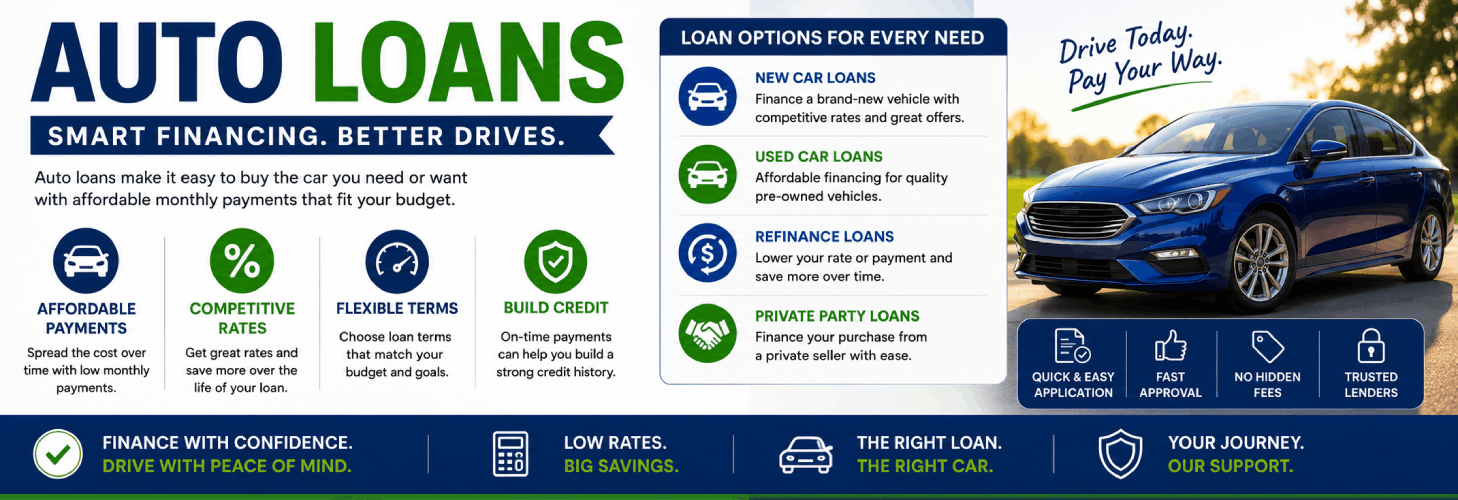
Auto Loans Explained: How They Work, Types, Benefits, and How to Get the Best Deal
Buying a vehicle is one of the biggest financial decisions many people make. Whether you need a car for commuting, family transportation, business use, or personal convenience, an auto loan can make purchasing a vehicle more affordable by spreading the cost over time. Auto loans allow borrowers to finance a vehicle instead of paying the full price upfront. While they can make car ownership easier, understanding how auto loans work, how interest rates affect costs, and how to choose the right loan can help you avoid unnecessary expenses. This guide explains everything you need to know about auto loans, including how they work, different loan options, approval requirements, and tips for getting the best financing terms.
What Is an Auto Loan?
An auto loan is a type of installment loan used to purchase a vehicle. The borrower receives money from a lender and agrees to repay the amount over a specific period, usually with interest. The loan is typically secured by the vehicle itself. This means the lender has a legal claim to the car until the loan is fully paid. If the borrower fails to make payments, the lender may repossess the vehicle.
Auto loans are offered by:
- Banks
- Credit unions
- Online lenders
- Dealership financing departments
- Automotive finance companies
The amount you can borrow depends on several factors, including your credit score, income, vehicle price, loan term, and down payment.
How Do Auto Loans Work?
When you apply for an auto loan, the lender reviews your financial information to determine whether you qualify.
Important factors include:
- Credit history
- Credit score
- Monthly income
- Employment stability
- Existing debts
- Down payment amount
If approved, the lender provides funds to purchase the vehicle. You then make monthly payments until the loan balance is paid.
Each payment usually includes:
- Principal (the amount borrowed)
- Interest (the cost of borrowing)
- Possible fees
For example, if you finance a $30,000 vehicle, you do not simply repay $30,000. The total cost depends on the interest rate and length of the loan.
Types of Auto Loans
There are several types of auto loans available depending on your needs and financial situation.
New Car Loans
New car loans are designed for purchasing brand-new vehicles.
Advantages include:
- Lower interest rates for qualified borrowers
- Latest vehicle features
- Manufacturer incentives
- Warranty protection
Because new vehicles typically have higher values, lenders may offer more favorable terms. However, new cars also lose value quickly through depreciation, meaning the vehicle may be worth less than the loan balance during the early years.
Used Car Loans
Used car loans help borrowers finance pre-owned vehicles. Used vehicles often cost less than new cars, making them attractive for budget-conscious buyers.
Benefits include:
- Lower purchase price
- Slower depreciation
- Lower insurance costs
However, used car loans may have:
- Higher interest rates
- Shorter repayment terms
- More vehicle restrictions
The vehicle’s age and mileage can affect loan approval and terms.
Refinancing Auto Loans
Auto loan refinancing involves replacing your current car loan with a new loan, usually with better terms.
People refinance to:
- Lower their interest rate
- Reduce monthly payments
- Change loan length
- Remove a co-signer
Refinancing can save money if your credit score has improved or market rates have changed since you originally borrowed.
Private Party Auto Loans
Some lenders offer loans for buying vehicles directly from private sellers. These loans allow buyers to purchase cars from individuals rather than dealerships.
Private party loans may require:
- Vehicle inspections
- Additional paperwork
- Specific eligibility requirements
Factors That Affect Auto Loan Rates
Interest rates determine how much your loan will cost.
Several factors influence your rate:
Credit Score
Your credit score is one of the biggest factors affecting your auto loan interest rate.
Generally:
- Higher credit scores receive lower rates
- Lower credit scores receive higher rates
A stronger credit profile can save thousands of dollars over the life of a loan.
Loan Term
The loan term is the amount of time you have to repay the loan.
Common terms include:
- 36 months
- 48 months
- 60 months
- 72 months
- Longer options
A longer term lowers monthly payments but increases total interest paid. A shorter term usually costs less overall but has higher monthly payments.
Down Payment
A down payment is the amount you pay upfront toward the vehicle.
A larger down payment can:
- Reduce the loan amount
- Lower monthly payments
- Reduce interest costs
- Improve approval chances
A down payment also helps prevent owing more than the vehicle is worth.
Vehicle Type
The vehicle itself can affect financing.
Lenders consider:
- Age
- Mileage
- Condition
- Resale value
Newer vehicles often qualify for better terms.
Benefits of Auto Loans
Auto loans provide several advantages for people who need a vehicle.
Affordable Monthly Payments
Instead of paying the full cost upfront, borrowers can spread payments over time. This makes vehicle ownership possible without using all available savings.
Build Credit History
Making consistent, on-time auto loan payments can help improve credit history. A positive payment record shows lenders that you manage debt responsibly.
Access to Better Vehicles
Financing allows buyers to consider vehicles with better reliability, safety features, and technology.
Flexible Options
Borrowers can choose:
- Different loan terms
- New or used vehicles
- Different lenders
This flexibility helps people find financing that matches their budget.
Risks of Auto Loans
Although auto loans are useful, they also create financial responsibilities.
Depreciation
Vehicles lose value over time.
A borrower may owe more than the vehicle is worth, especially with:
- Small down payments
- Long loan terms
- Rapid depreciation
Monthly Debt
A car payment becomes a fixed monthly expense.
Before borrowing, consider:
- Insurance
- Fuel
- Maintenance
- Repairs
- Registration costs
The true cost of owning a vehicle is more than the loan payment.
Longer Loans Cost More
A seven-year auto loan may have a lower monthly payment, but the total interest cost can be significantly higher. Borrowers should avoid choosing a long term simply because it creates a smaller payment.
How to Get Approved for an Auto Loan
Improving your financial profile before applying can help you get better terms.
Check Your Credit
Review your credit report and correct any errors before applying.
Save for a Down Payment
A larger upfront payment reduces borrowing costs.
Compare Multiple Lenders
Do not accept the first offer automatically.
Compare:
- Interest rates
- Fees
- Loan terms
- Customer service
- Approval requirements
Get Preapproved
Preapproval allows you to know how much you can borrow before shopping.
Benefits include:
- Better negotiation power
- Clear budget limits
- Faster purchase process
Tips for Choosing the Right Auto Loan
Before signing an agreement:
- Calculate the total cost
- Understand the interest rate
- Avoid unnecessary add-ons
- Choose a payment you can comfortably afford
- Read the loan terms carefully
Do not focus only on the monthly payment. A low payment may hide a longer loan period and higher total cost.
Final Thoughts
Auto loans are a valuable financial tool that can help people purchase reliable transportation without paying the entire cost upfront. However, choosing the right loan requires careful planning. Understanding loan types, interest rates, repayment terms, and your own budget can help you make a better decision. The best auto loan is one that fits your financial situation, provides affordable payments, and allows you to enjoy your vehicle without creating unnecessary financial stress. With responsible borrowing and smart comparison shopping, an auto loan can help you achieve your transportation goals while protecting your financial future.