Business loans play a crucial role in helping entrepreneurs start, grow, and sustain their companies. Whether launching a new venture or expanding an existing operation, access to capital is often the difference between stagnation and success. Business loans provide the financial support needed to cover expenses such as equipment, inventory, payroll, marketing, and even day-to-day operations.

Business Loans Explained

Business Loans Explained
Starting, growing, and managing a business often requires access to capital. Whether you are opening a new company, expanding operations, purchasing equipment, hiring employees, or managing cash flow, a business loan can provide the financial support needed to reach your goals. Business loans are one of the most common ways entrepreneurs access funding. However, choosing the right loan requires understanding how different financing options work, what lenders look for, and how borrowing affects your business finances. This guide explains what business loans are, the different types available, their benefits and risks, and how to choose the best option for your company.
What Is a Business Loan?
A business loan is a financial agreement between a business owner and a lender where money is provided upfront and repaid over time, usually with interest.
Businesses use loans for many purposes, including:
- Starting a new business
- Buying inventory
- Purchasing equipment
- Expanding locations
- Hiring employees
- Marketing campaigns
- Managing seasonal expenses
- Improving cash flow
The lender provides funds, and the business agrees to repay the borrowed amount according to specific terms.
Loan agreements usually include:
- Loan amount
- Interest rate
- Repayment schedule
- Fees
- Loan term
- Collateral requirements (if applicable)
Business loans can come from banks, credit unions, online lenders, government-backed programs, and alternative financing companies.
Why Businesses Use Loans
Businesses often need outside funding because growth requires investment. Even profitable companies may need additional capital at certain stages. Common reasons businesses seek loans include:
Business Startup Costs
Launching a business requires money for expenses such as:
- Equipment
- Office space
- Licenses
- Inventory
- Technology
- Advertising
A startup loan can help entrepreneurs turn an idea into an operating company.
Expanding Operations
Successful businesses often need funding to grow. Expansion may involve:
- Opening new locations
- Increasing production
- Adding new services
- Entering new markets
A business loan can provide the capital needed to scale faster.
Purchasing Equipment
Many industries rely on expensive equipment to operate. Equipment loans can help companies purchase:
- Machinery
- Vehicles
- Computers
- Tools
- Specialized technology
Instead of paying a large upfront cost, businesses can spread the expense over time.
Managing Cash Flow
Cash flow problems are common, especially for seasonal businesses. A company may have strong sales but still experience temporary shortages due to delayed payments or increased expenses.
A loan or line of credit can help cover:
- Payroll
- Rent
- Supplier payments
- Operating expenses
Types of Business Loans
Different businesses have different financial needs, so lenders offer several types of business financing.
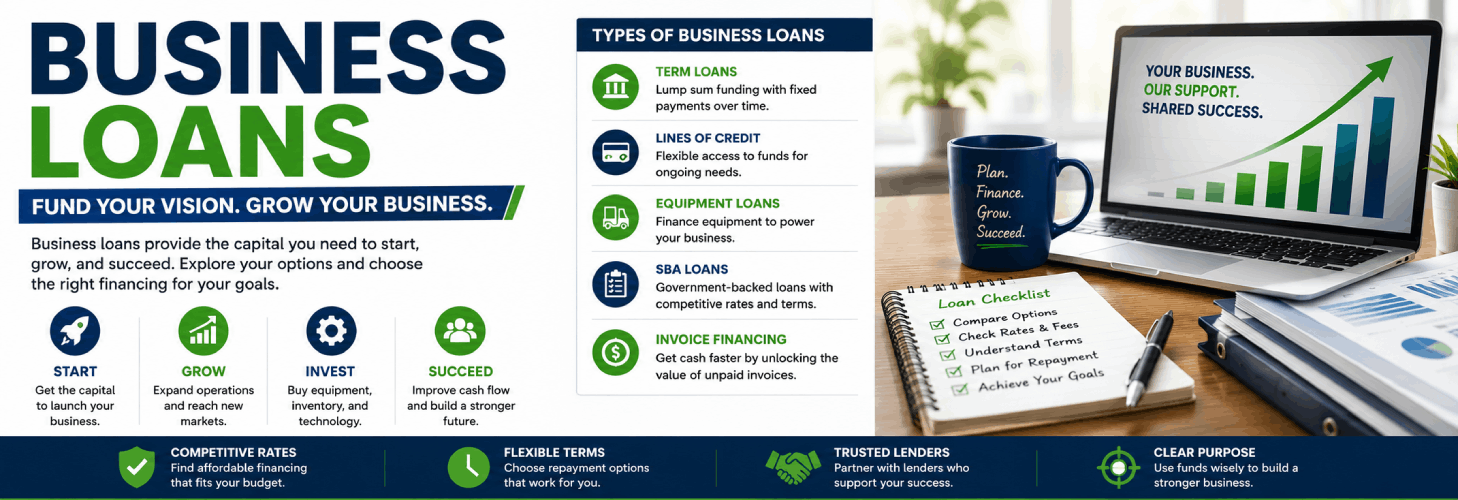
Term Loans
A term loan provides a fixed amount of money that is repaid over a set period. For example, a company may borrow $100,000 and repay it monthly over five years.
Term loans are commonly used for:
- Expansion projects
- Large purchases
- Long-term investments
Advantages include:
- Predictable payments
- Fixed repayment schedule
- Clear borrowing costs
Potential disadvantages:
- May require strong credit
- Possible collateral requirements
- Long repayment commitments
Business Lines of Credit
A business line of credit works similarly to a credit card. The lender approves a maximum borrowing amount, and the business can use funds when needed. The company only pays interest on the amount used.
Lines of credit are useful for:
- Short-term expenses
- Cash flow gaps
- Unexpected costs
- Inventory purchases
Benefits include:
- Flexible access to money
- Reusable credit
- Interest only on borrowed funds
However, interest rates may be variable, and businesses must manage repayment carefully.
Equipment Loans
Equipment loans are designed specifically to purchase business equipment. The equipment itself often serves as collateral.
These loans may be used for:
- Construction machinery
- Restaurant equipment
- Medical devices
- Vehicles
- Technology systems
Because the loan is tied to a specific asset, terms may be more favorable than general-purpose financing.
SBA Loans
Government-supported small business financing programs help provide access to affordable funding for qualifying businesses. Programs supported by the U.S. Small Business Administration are designed to encourage entrepreneurship and help small companies access capital.
SBA-style financing may offer:
- Longer repayment terms
- Competitive interest rates
- Lower down payment requirements
The application process may require detailed business information and financial documentation.
Invoice Financing
Invoice financing allows businesses to borrow against unpaid customer invoices. Instead of waiting weeks or months for customers to pay, a company receives funds based on outstanding invoices. This can help businesses maintain steady cash flow.
It is often used by companies that:
- Sell to other businesses
- Have reliable customers
- Experience delayed payments
Merchant Cash Advances
A merchant cash advance provides money upfront in exchange for a portion of future sales. Repayment is often based on daily or weekly sales. While this can provide quick access to funds, it may be more expensive than traditional loans. Businesses should carefully compare the total repayment cost before choosing this option.
How to Qualify for a Business Loan
Lenders review several factors before approving financing.
Credit History
Both business and personal credit may matter, especially for newer companies.
A stronger credit profile can improve chances of:
- Approval
- Lower interest rates
- Better loan terms
Business Revenue
Lenders want evidence that the business can repay the loan.
They may review:
- Revenue history
- Profit margins
- Bank statements
- Financial reports
Time in Business
Established businesses often have an easier time qualifying because they have a proven track record.
New businesses may need:
- Strong personal credit
- Detailed business plans
- Additional documentation
Business Plan
A strong business plan helps lenders understand:
- How funds will be used
- Growth strategy
- Expected revenue
- Repayment ability
Benefits of Business Loans
Business loans can provide many advantages when used responsibly.
Access to Growth Capital
Loans allow businesses to invest before they have enough cash available. This can accelerate growth opportunities.
Maintain Ownership
Unlike investors who receive ownership shares, lenders generally do not take control of your company. You keep ownership while repaying the loan.
Build Business Credit
Making payments on time can help establish a stronger business credit profile. This may make future borrowing easier.
Predictable Financial Planning
Fixed-payment loans make it easier to forecast expenses and manage budgets.
Risks of Business Loans
Borrowing money also creates financial responsibility.
Debt Obligations
A loan creates regular payments that must be made regardless of business performance. If revenue decreases, payments can become challenging.
Interest Costs
The total cost of borrowing includes interest and fees. A loan with a high rate can significantly increase expenses.
Collateral Risk
Some loans require assets as security. If the business fails to repay, the lender may claim those assets.
Overborrowing
Taking more money than needed can create unnecessary financial pressure. Businesses should borrow strategically and only for clear purposes.
How to Choose the Right Business Loan
Before applying, consider the following:
Determine Your Purpose
Ask:
- Why do I need funding?
- How much do I need?
- Will this money generate revenue or solve a problem?
Compare Lenders
Look at:
- Interest rates
- Fees
- Loan terms
- Approval requirements
- Customer service
Calculate Repayment Costs
Do not focus only on the monthly payment. Consider the total amount you will repay.
Match the Loan to the Need
Examples:
- Equipment purchase → equipment loan
- Short-term cash flow → line of credit
- Major expansion → term loan
Choosing the right financing type can save money and reduce risk.
Final Thoughts
Business loans can be powerful tools for entrepreneurs and companies looking to grow. They provide access to capital that can help businesses expand, improve operations, and take advantage of new opportunities. However, borrowing should always be approached carefully. Understanding loan types, comparing offers, and creating a realistic repayment plan are essential steps. The best business loan is one that supports your goals without creating unnecessary financial stress. With proper planning and responsible management, business financing can help turn ideas into successful, sustainable businesses.